From Masonic Ideals, A Nation Was Born
America250 in Philadelphia | July 27–28, 2026
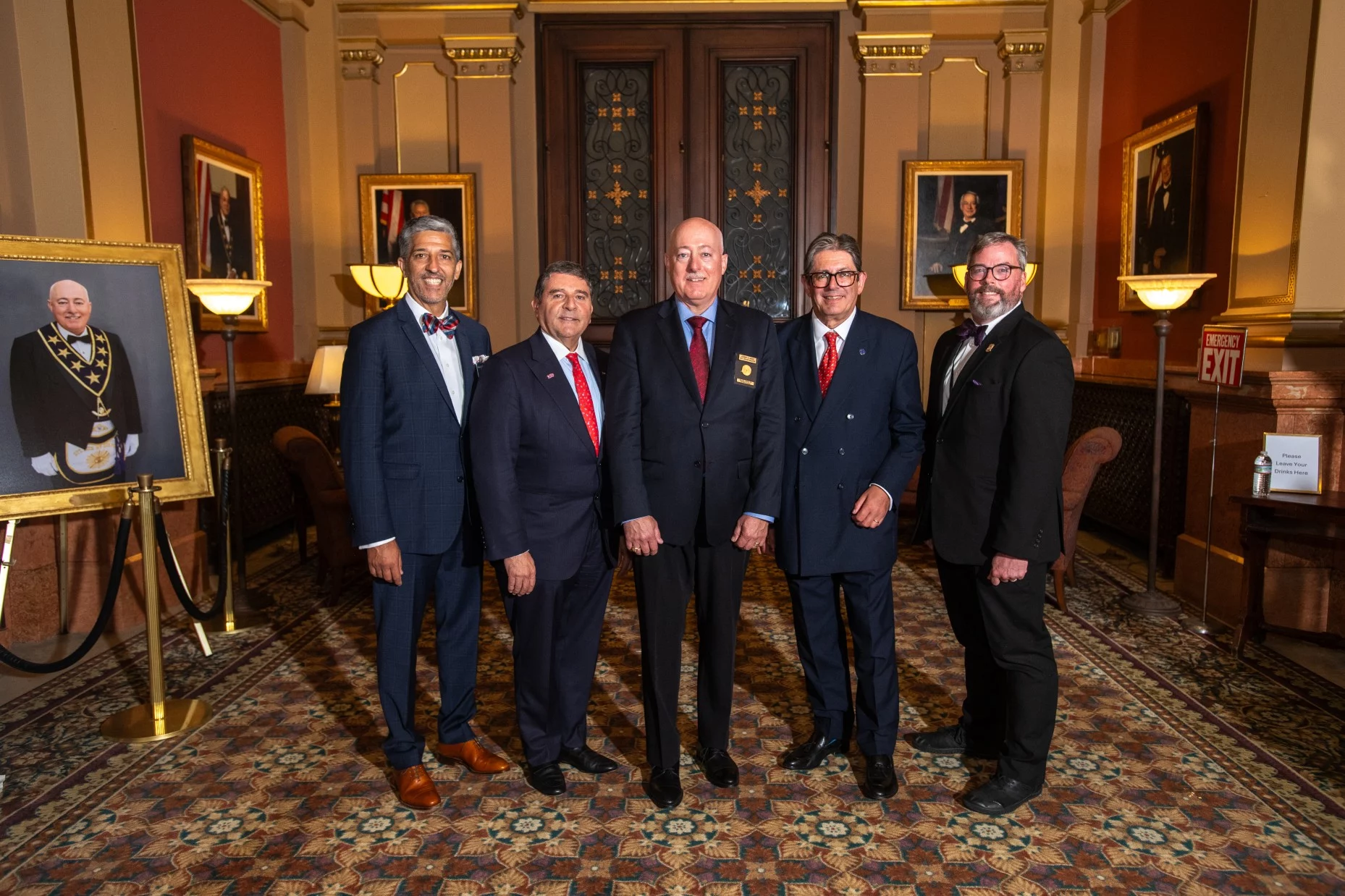
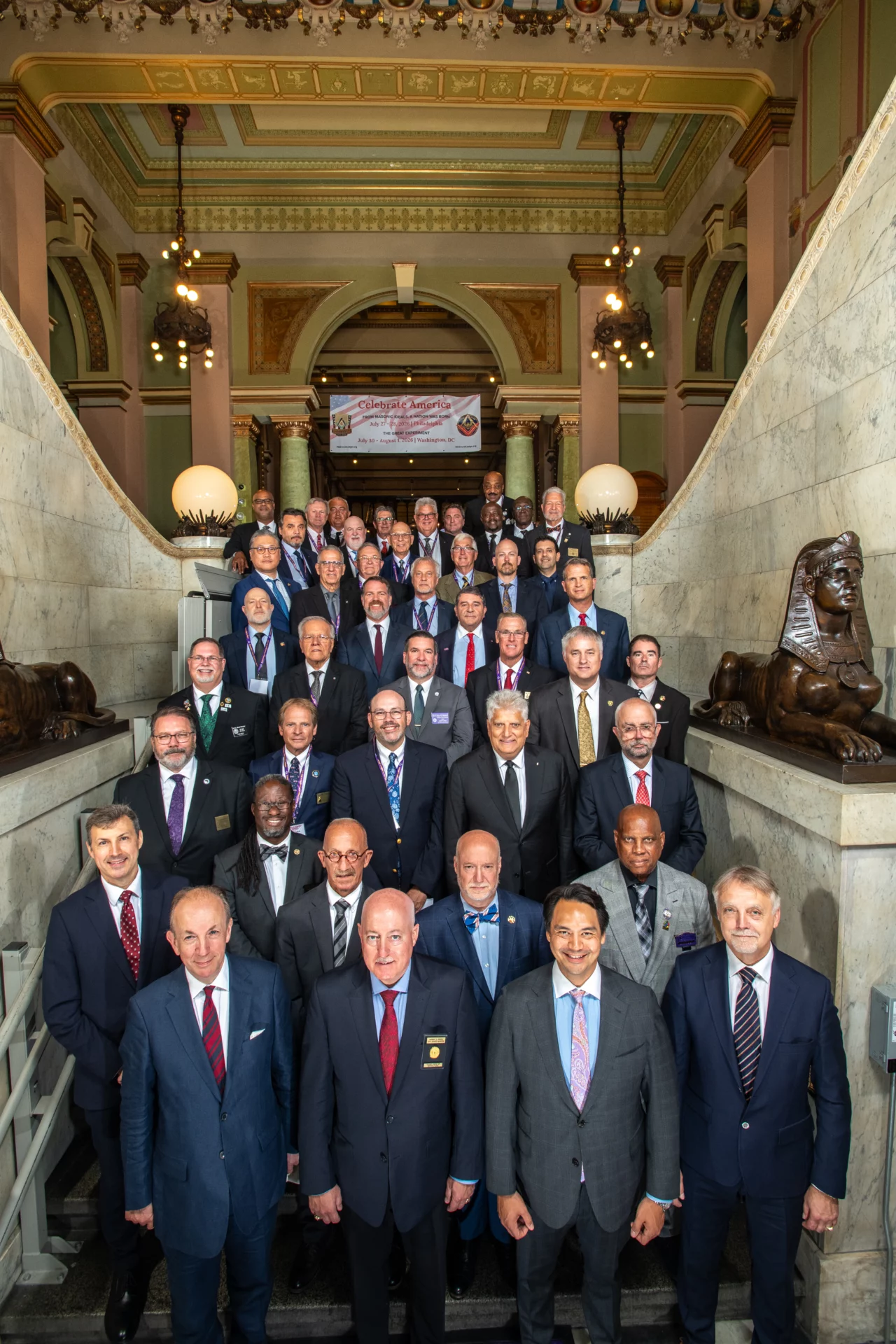
Leading off a week of celebration, the Grand Lodge of Pennsylvania welcomed Masonic leaders, brethren and guests from scores of jurisdictions across the United States and around the world to Philadelphia to commemorate the 250th Anniversary of the Declaration of Independence.
It was fitting that they should gather here. Modern Freemasonry took root in America in Philadelphia in 1731, and 45 years later, just blocks away, the Declaration of Independence gave expression to principles that would change the world.
Over two days, our guests explored that history and considered what it asks of Freemasons today.
American Freemasonry: In the Beginning
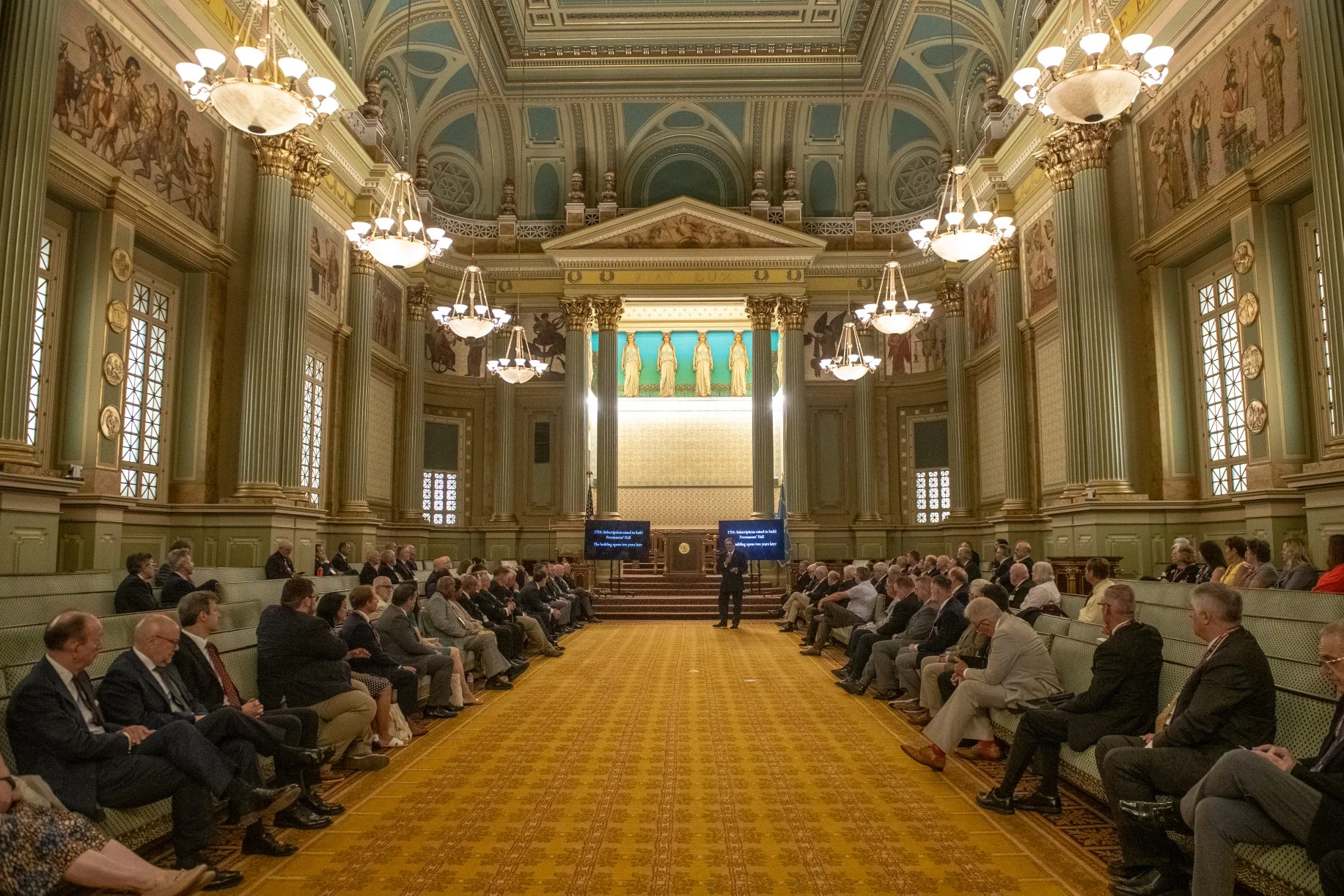
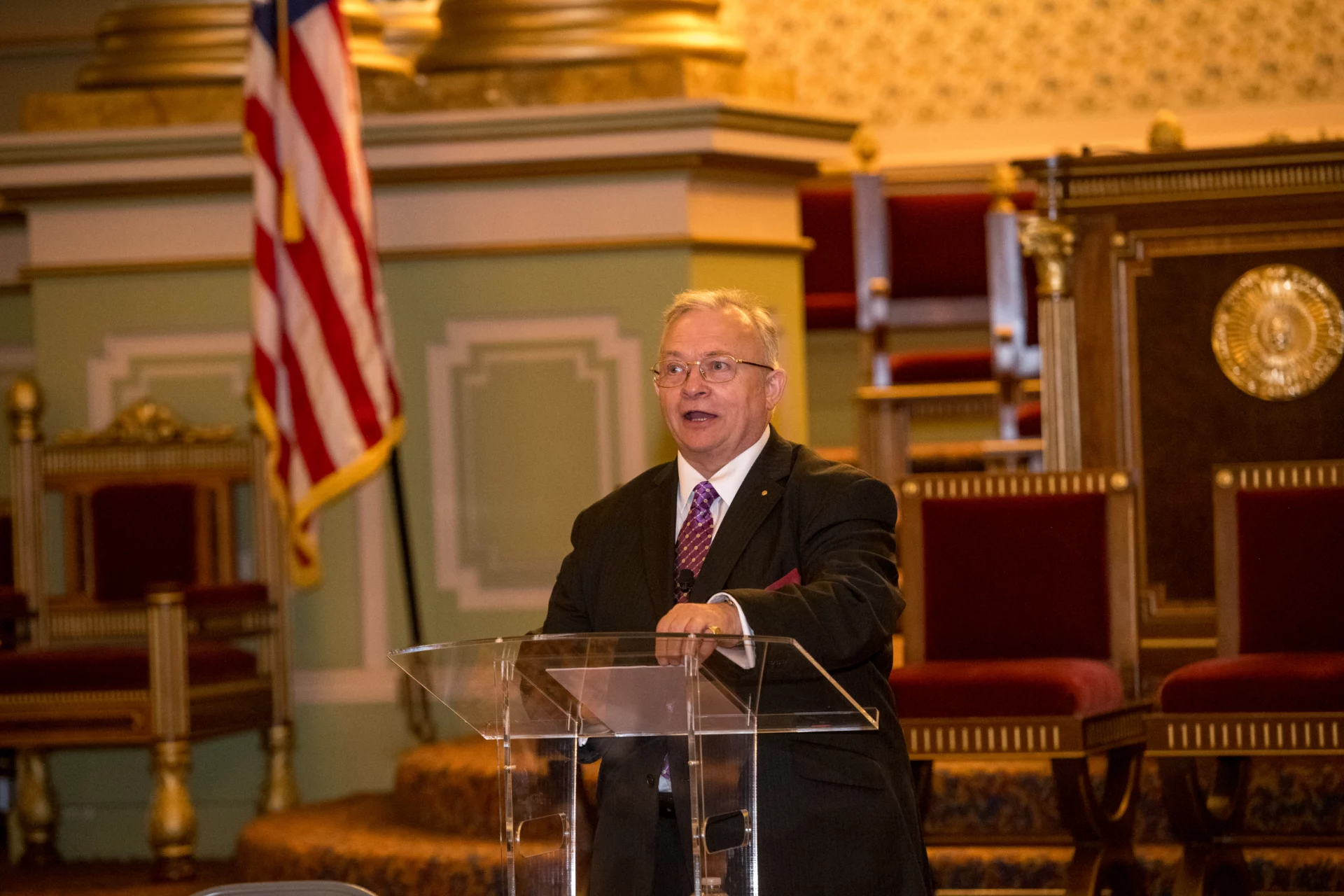
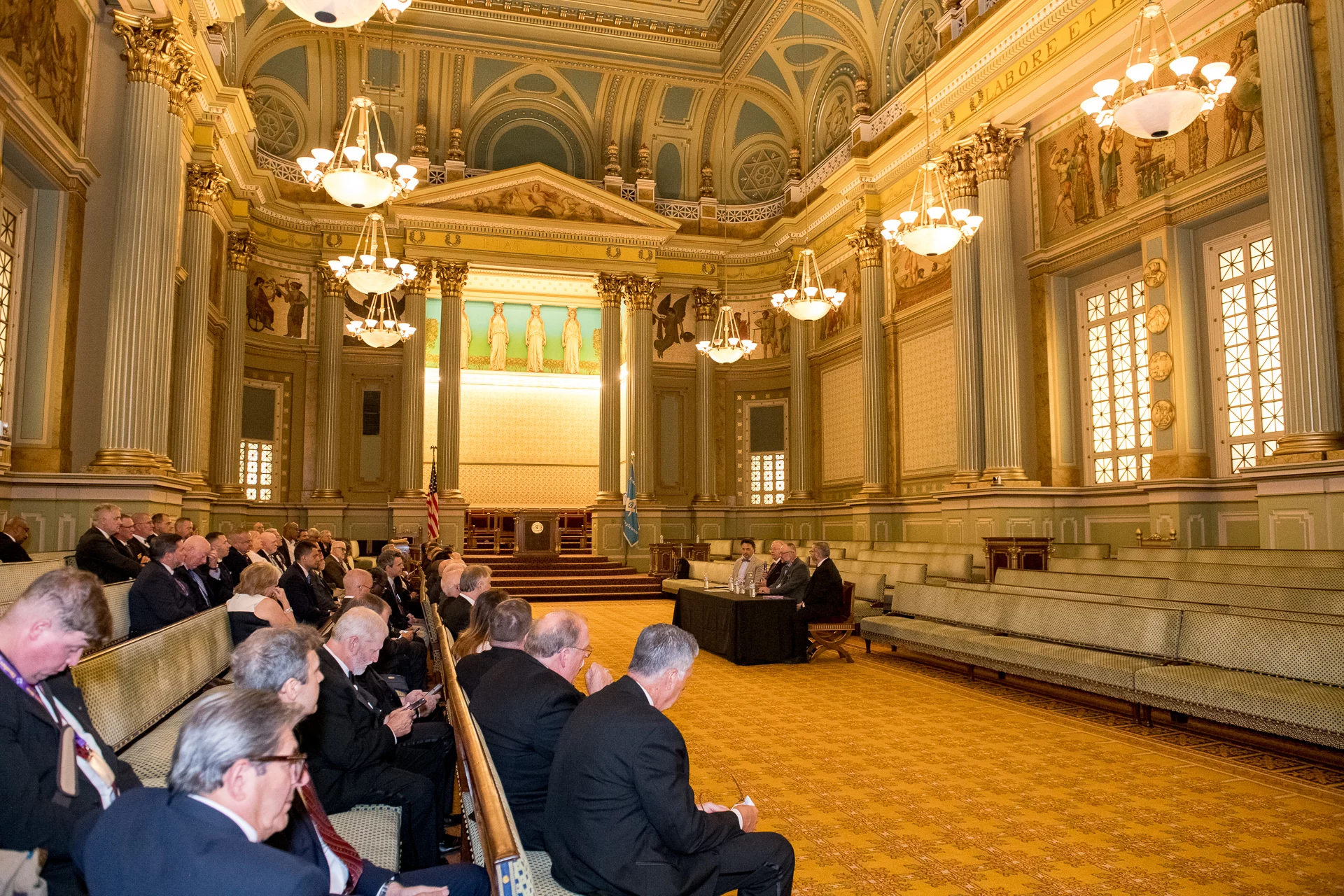
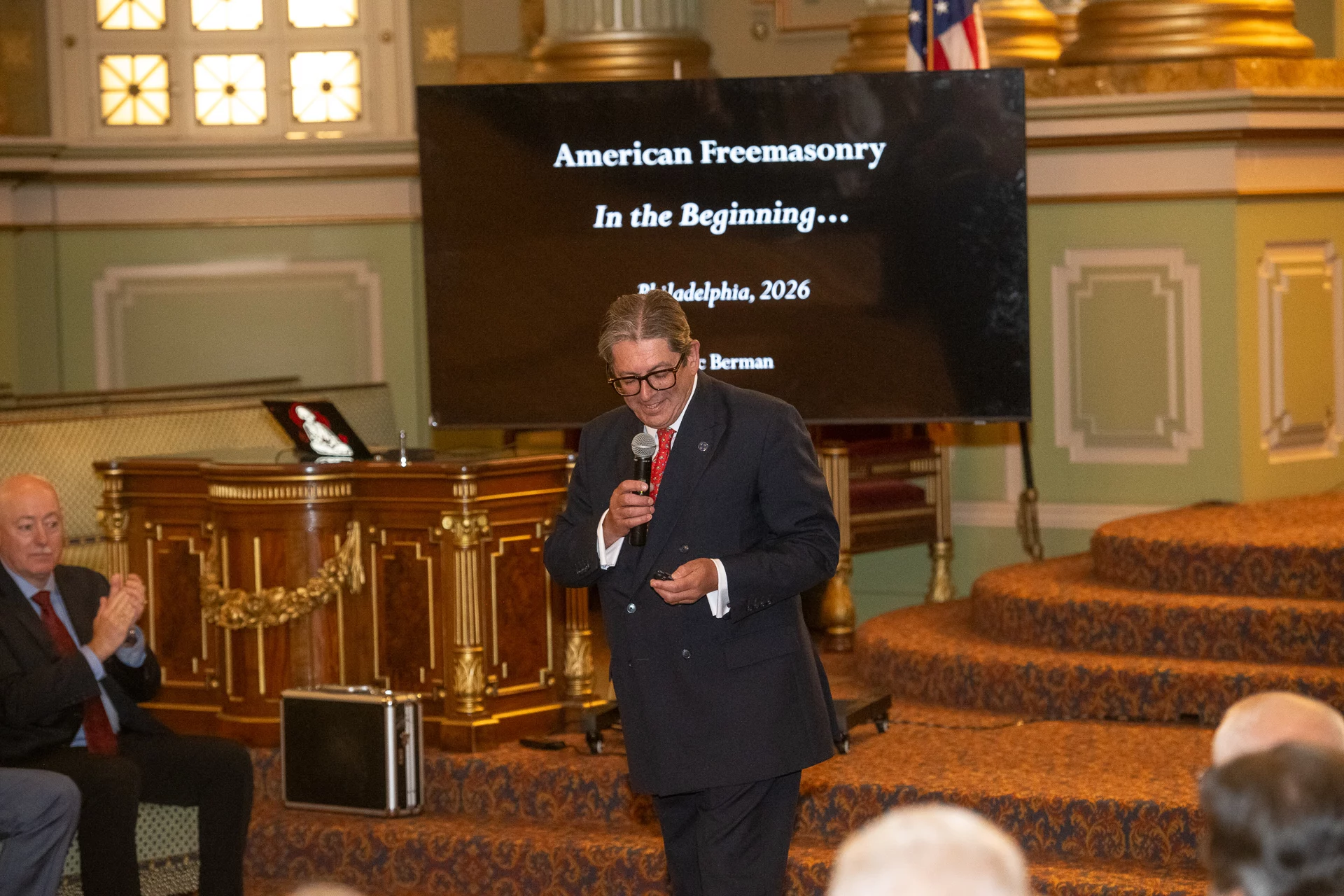
The gathering opened on Monday, July 27, at the Masonic Temple in Philadelphia with Dr. Richard “Ric” Berman, internationally renowned Masonic historian and twice Prestonian Lecturer, presenting “American Freemasonry: In the Beginning.”
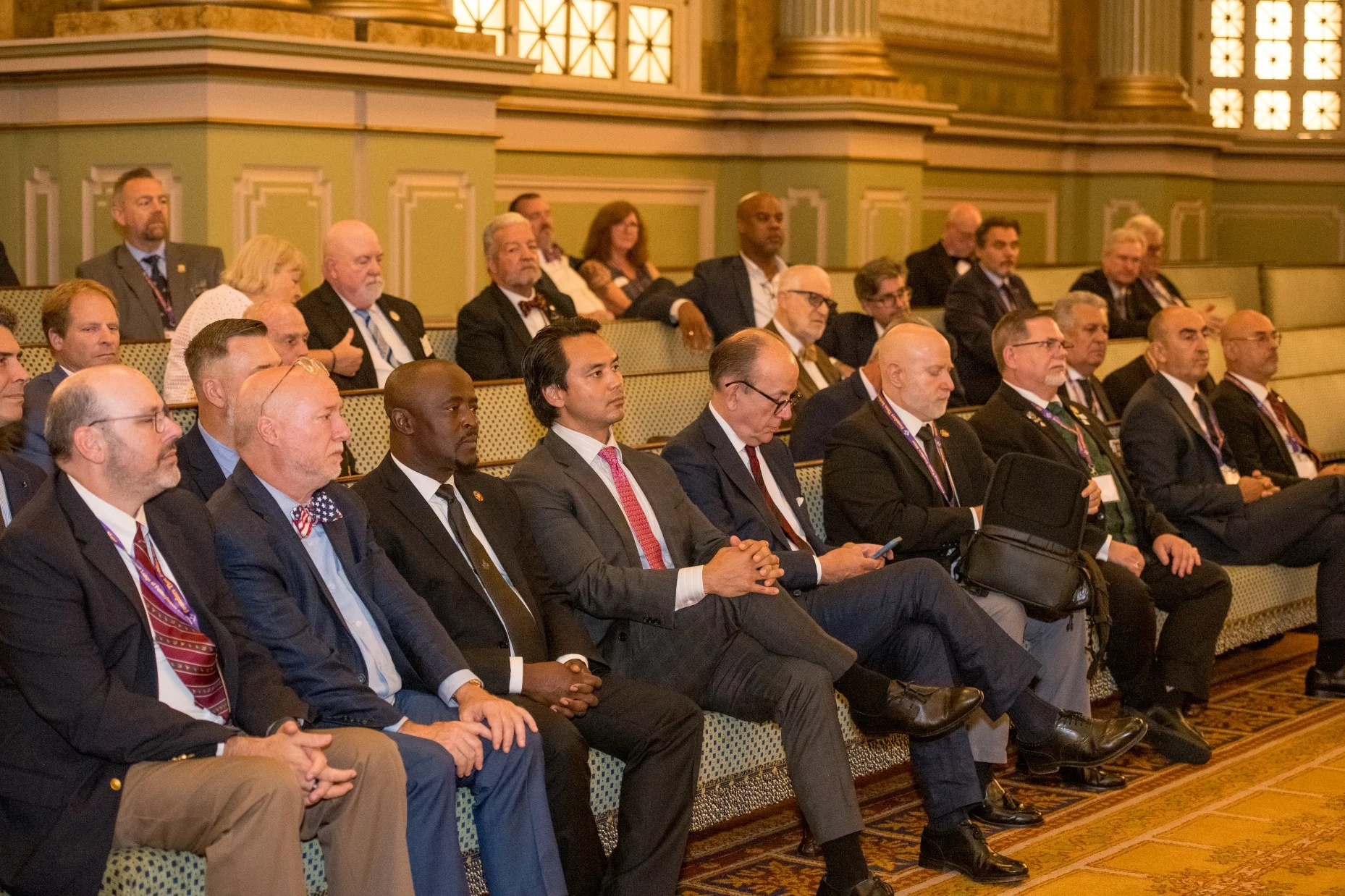
Dr. Berman explored the development of organized Freemasonry in the American colonies and Pennsylvania’s central place in that story, followed by a panel discussion on Freemasonry’s relationship to the people and ideas that helped shape the young nation. He pointed to Brother William Allen (1704–1780), the first Grand Master in Pennsylvania and Mayor of Philadelphia during the Colonial era, as an important figure in the development of American Freemasonry. He also discussed “Liber B,” the oldest known Masonic ledger in the American colonies, belonging to St. John’s Lodge No. 1, the first Pennsylvania lodge for which there is documented evidence. The ledger is preserved by the Historical Society of Pennsylvania.
American Freemasonry soon expanded beyond the East Coast. Pennsylvania played a significant role in the fraternity’s spread from the colonies into the American frontier, where Masons often established lodges on their own before eventually coming under the authority
of a state Grand Lodge.
Those early lodges were about more than ritual. Freemasonry served as a social, educational and civic institution, offering fellowship, leadership opportunities and education, while brothers also supported one another through burial and widow-and-orphan care. The fraternity’s traditions of religious and political tolerance and democratic participation were also important aspects of its appeal. American lodges continue that tradition today, as members have a role in shaping their communities through active participation, debate and voting.
The question for the panel, then, was not simply what Freemasonry had been, but what lessons from its history could help lodges remain strong today.
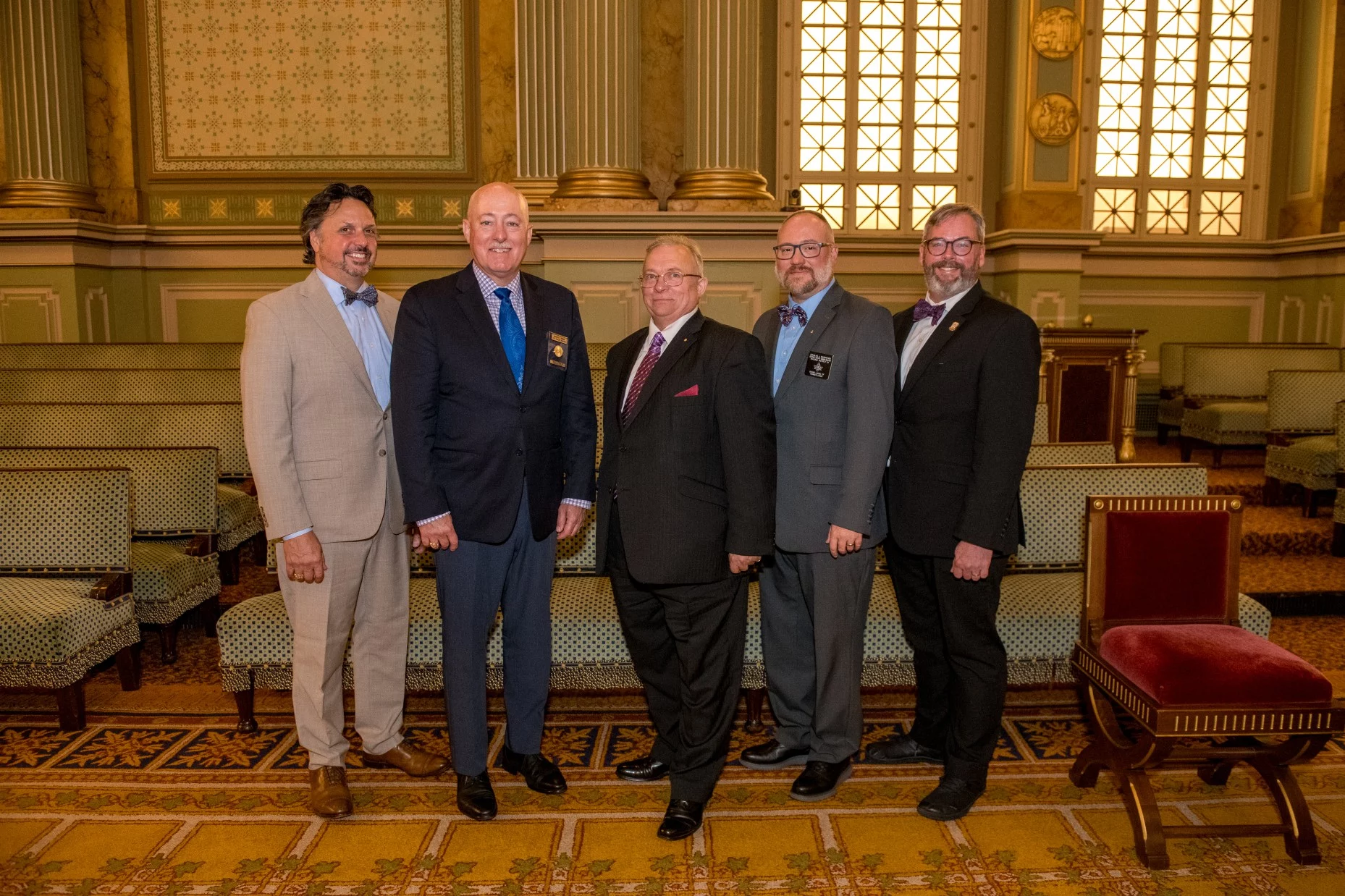
In a discussion moderated by Brother Brian Mattocks, P.M., Cassia-Mt. Horeb Lodge No. 273, Ardmore, Vice Chair of the Pennsylvania Academy of Masonic Knowledge, Ric joined Brother Moises Gomez, Past Grand Historian of the Grand Lodge of New Jersey, and Brother Akram Elias, Past Grand Master of Washington, D.C., to consider how those lessons might be applied.
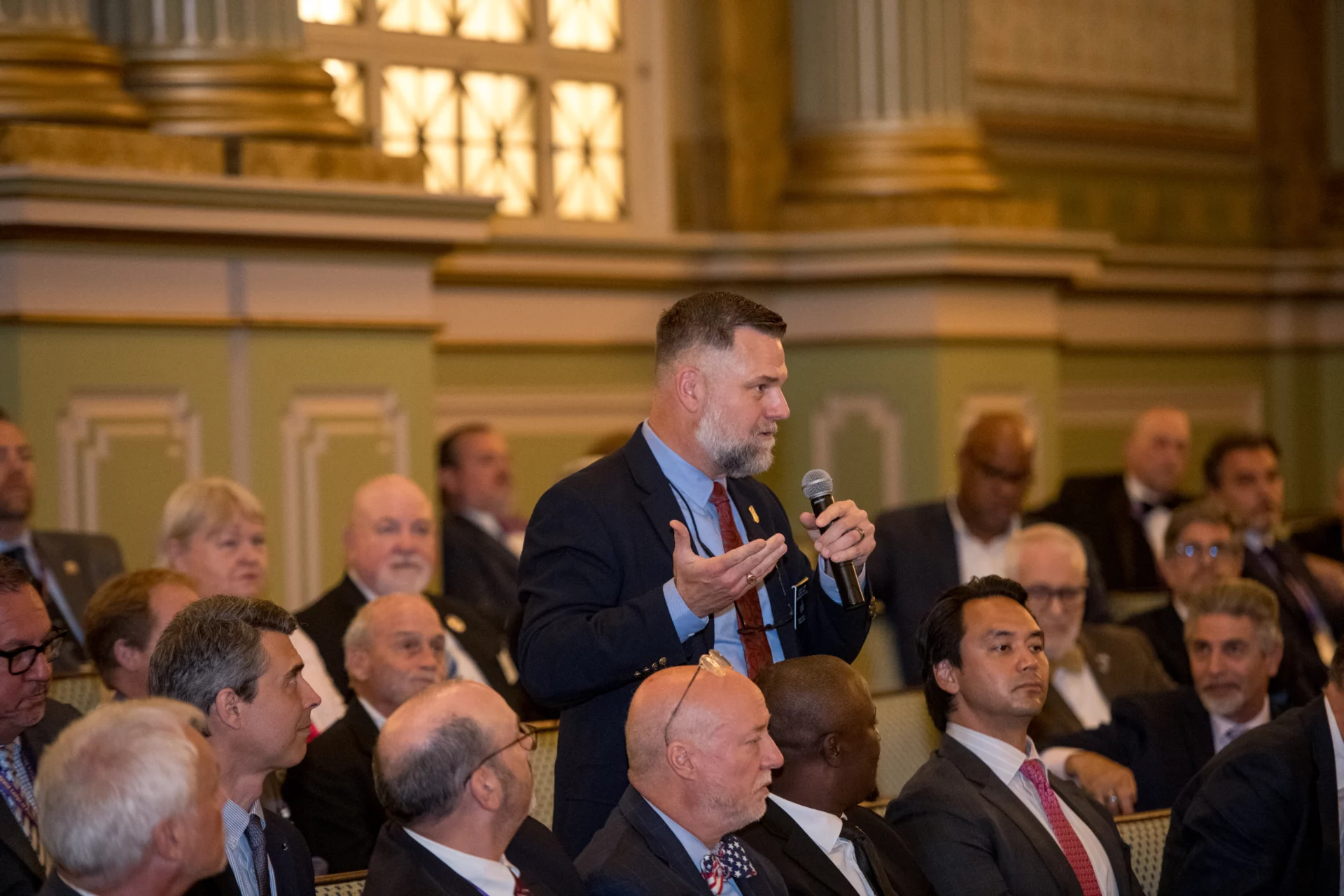
The panelists emphasized the importance of lodge education programs that teach members the essence of Freemasonry so they can articulate it to others. They encouraged lodges to move beyond “to be one, ask one” as a recruitment strategy and to deliberately cultivate quality candidates. They stressed the importance of sharing successful practices across jurisdictions so struggling lodges can learn from what works elsewhere.
Their advice ultimately returned to the importance of the individual lodge.
“Trust the lodge, and not the Grand Lodge, as the laboratory,” panel members said. “Grand Lodges provide the ecosystem and framework, while experimentation happens locally.”
That emphasis on local innovation set the stage for the second day’s discussion: If Freemasonry’s core principles have endured for centuries, how can lodges communicate and live those principles in a changing world?
A Celebration of America
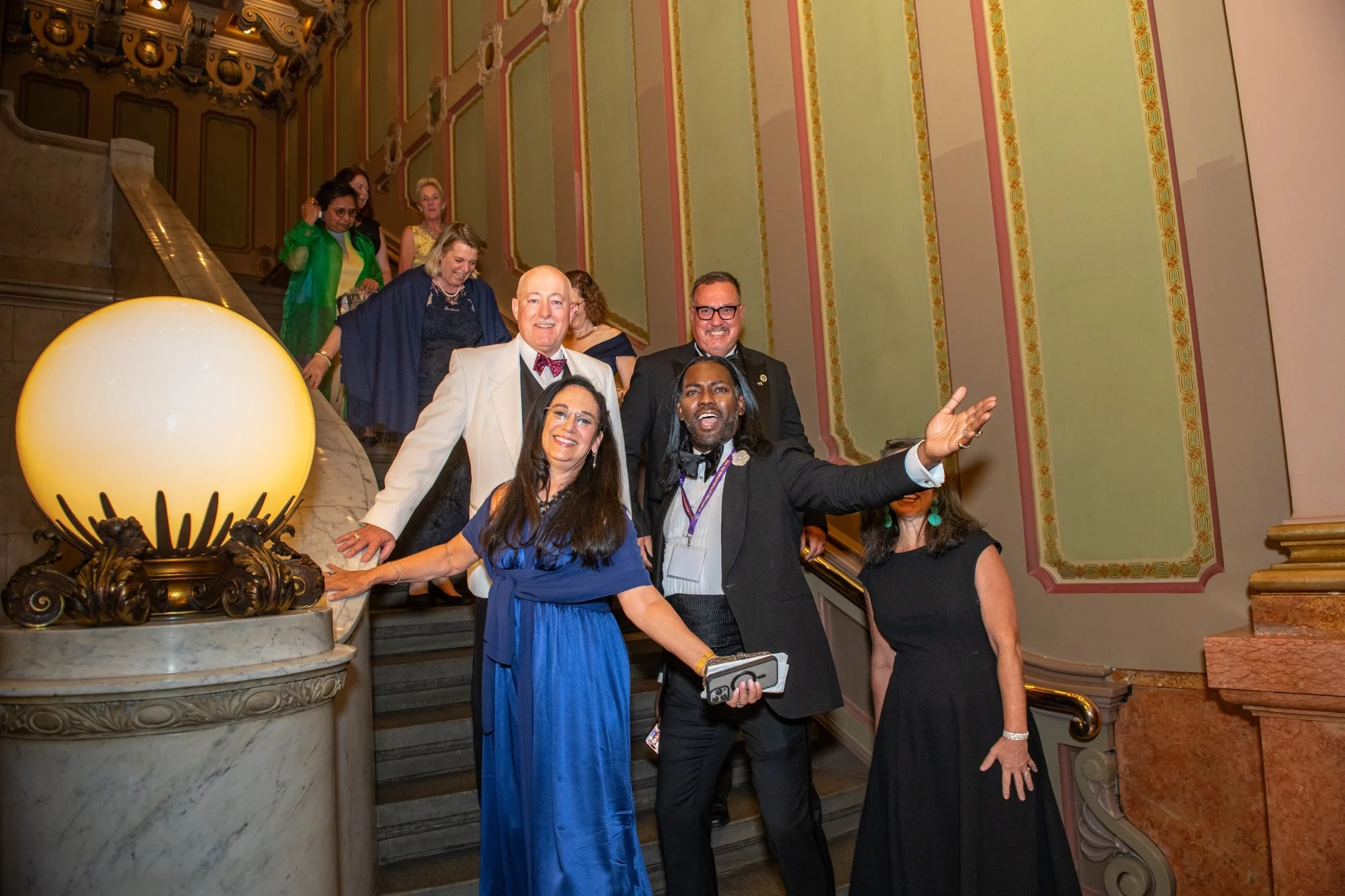
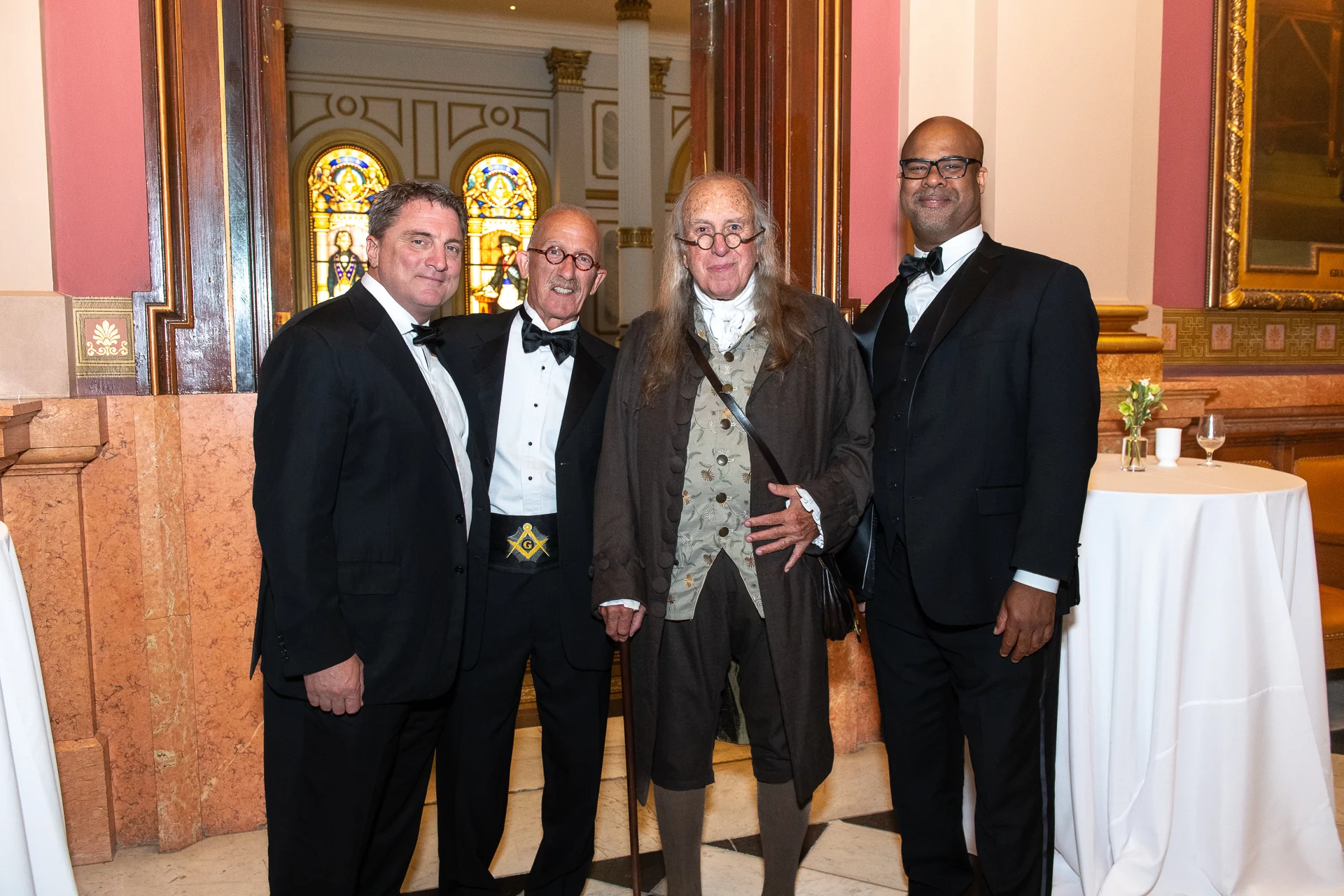
Monday evening, the Masonic Temple became the setting for an America250 gala celebrating the people, traditions and ideals of the nation’s founding.
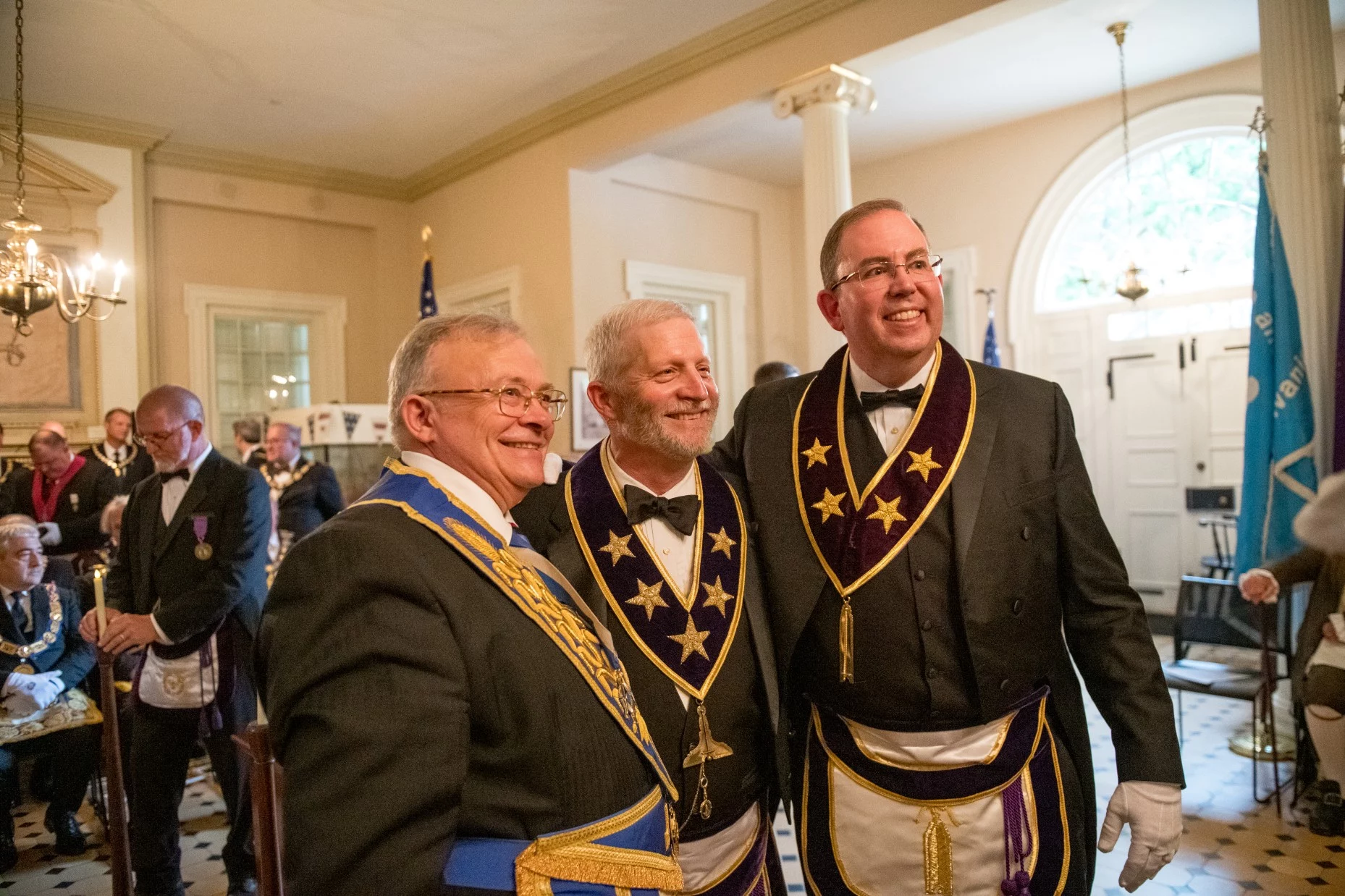
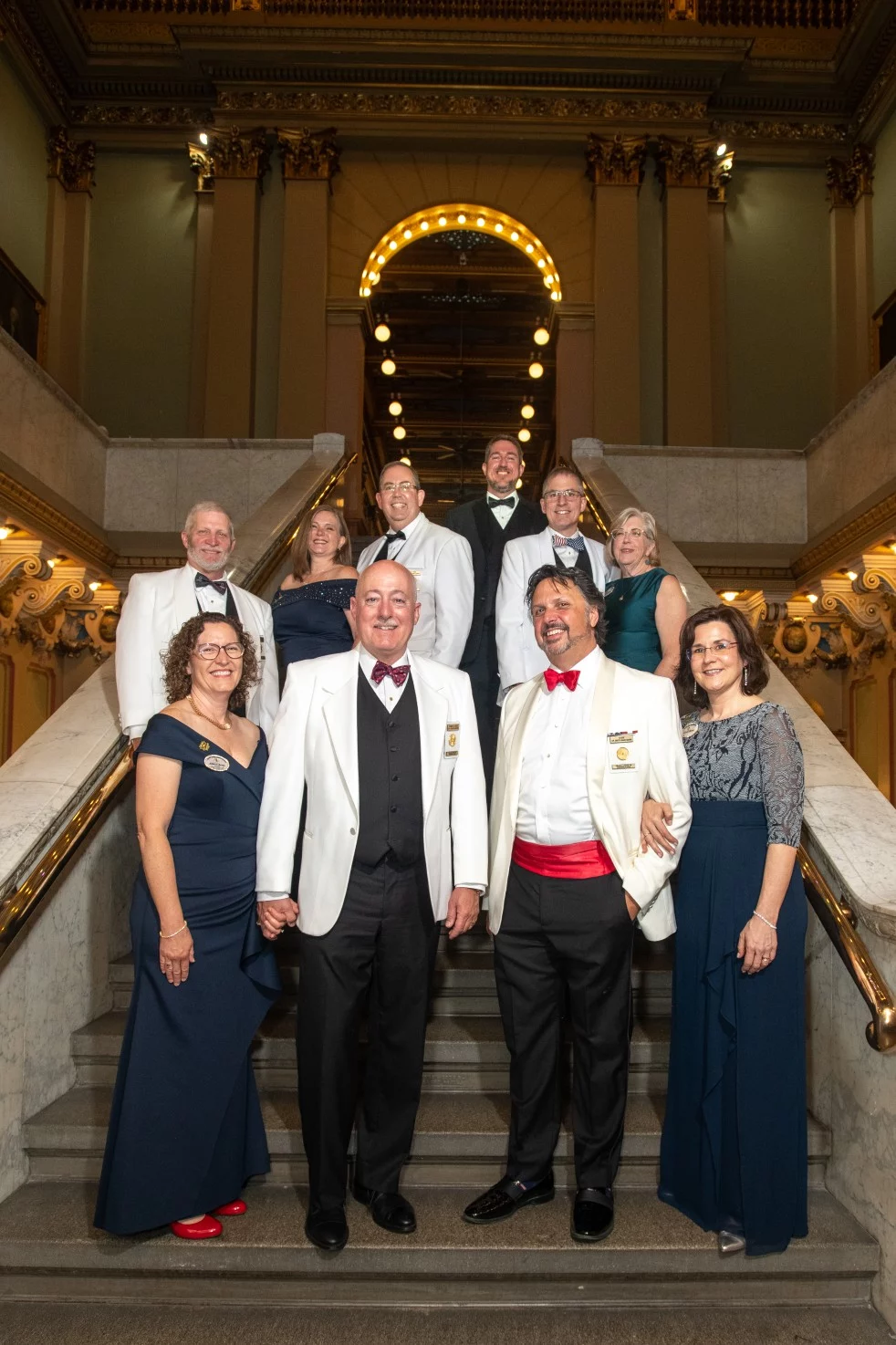
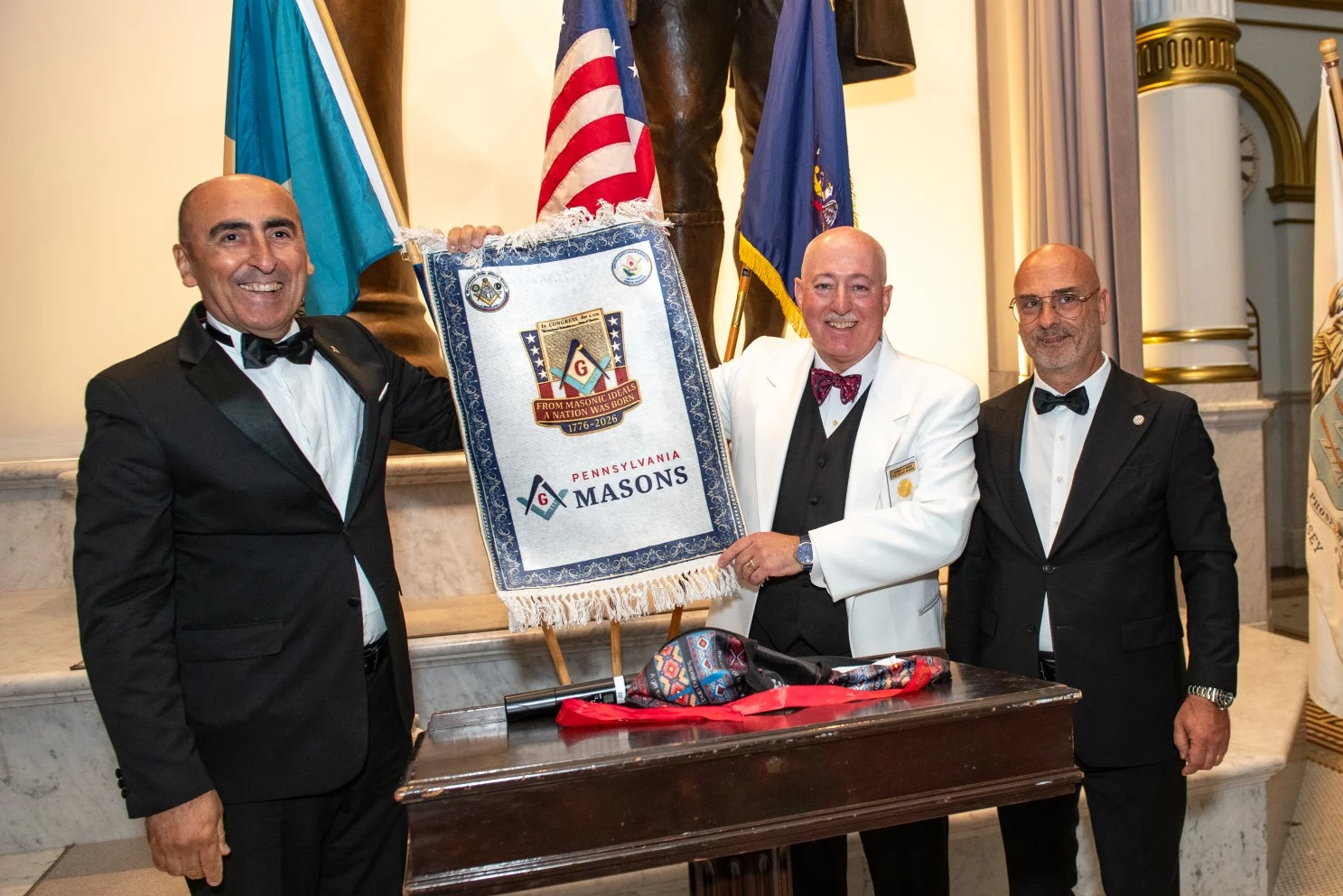
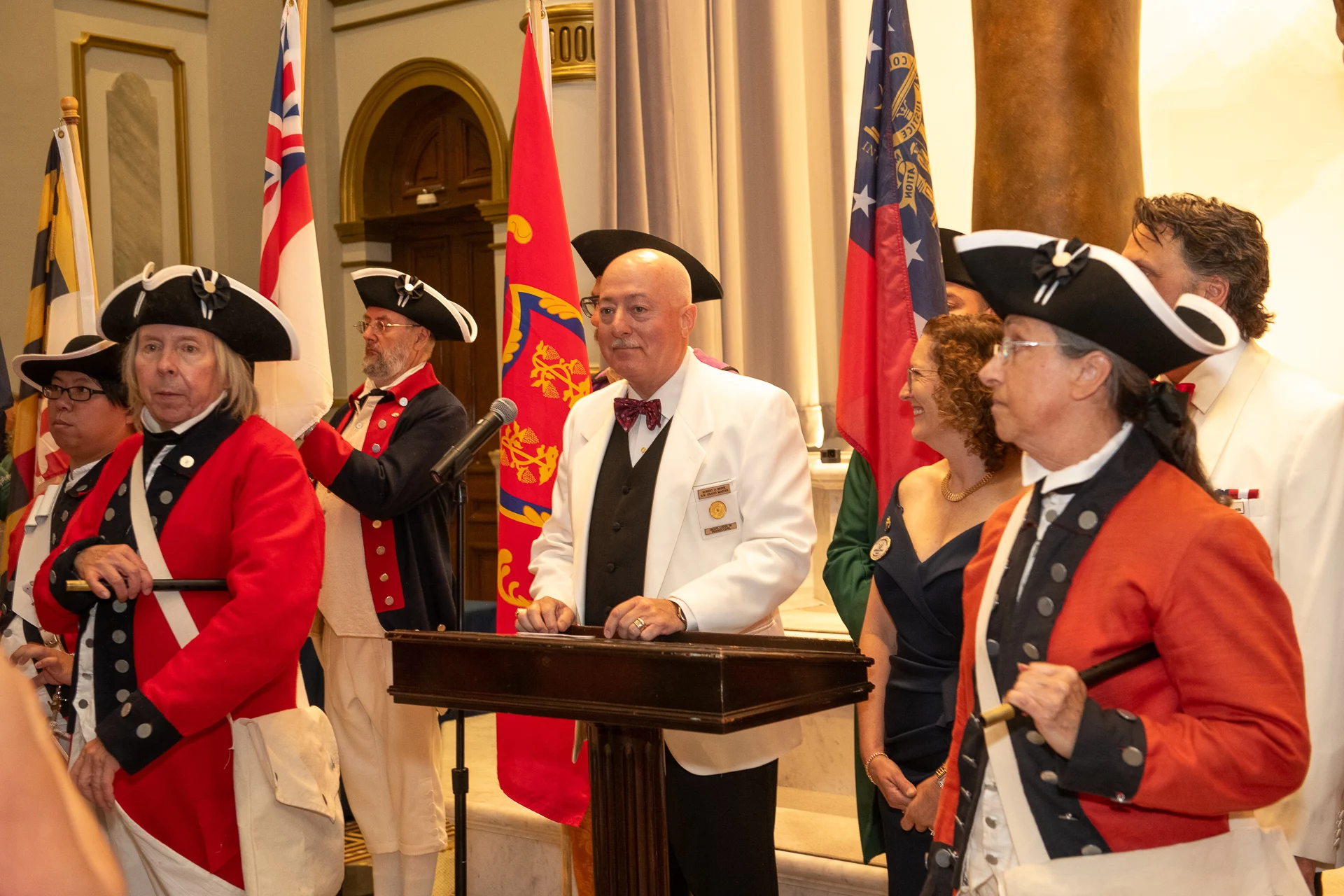
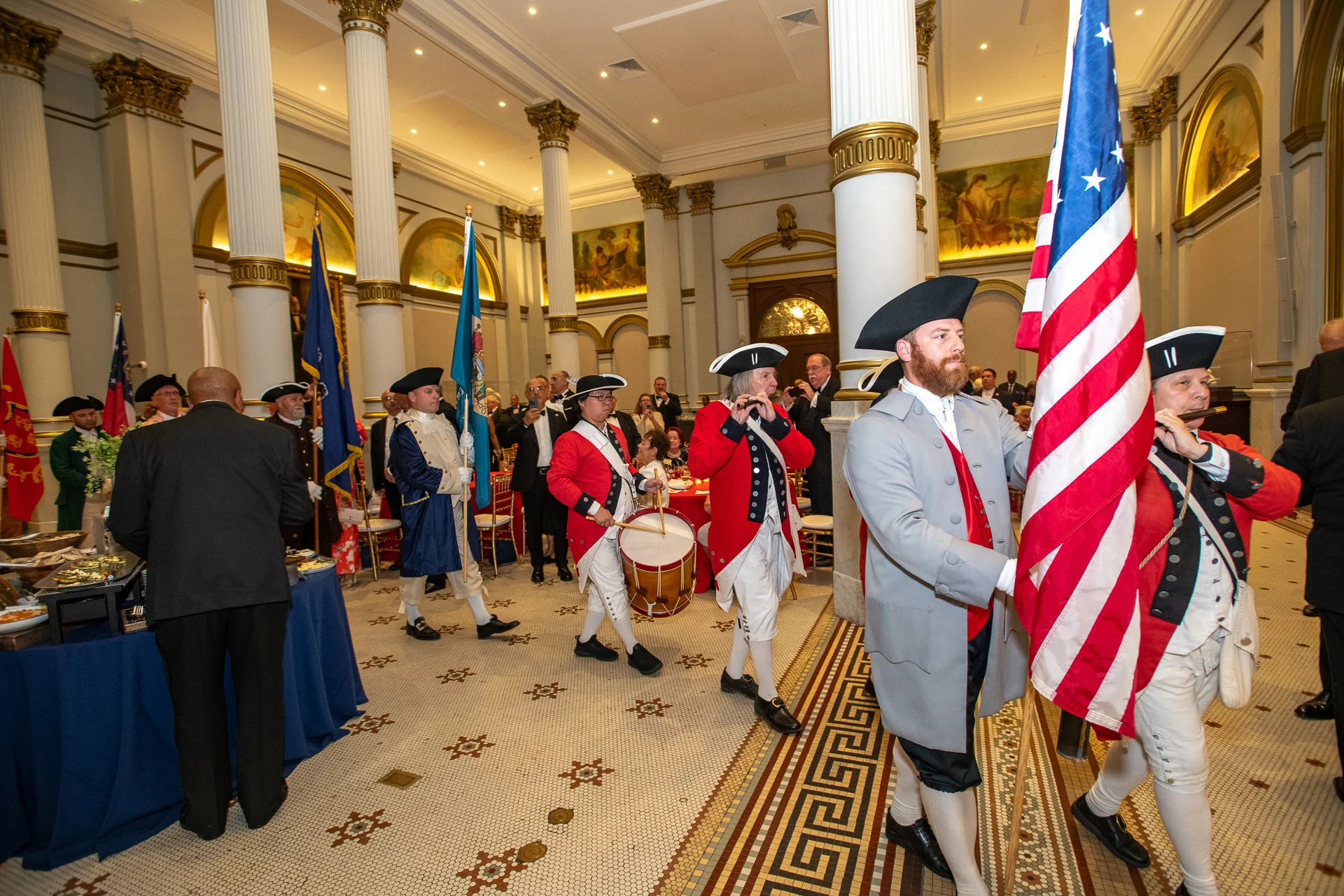
To the sound of fife and drum, the officers of the Grand Lodge of Pennsylvania entered the Grand Ballroom behind American colonial flags. Beneath the statue of Brother Benjamin Franklin, guests from around the world shared an evening of food, music and fellowship celebrating principles that have endured for 250 years.
Freemasonry Today and Tomorrow
Tuesday turned from Freemasonry’s beginnings toward its future. W. Brother Tony Harvey, the 2012 Prestonian Lecturer and a leading voice on membership and lodge development, presented “Freemasonry Today and Tomorrow.” His address and the panel discussion that followed challenged those assembled to consider how Freemasonry can remain vibrant and relevant while preserving the principles and institutions entrusted to us.
His keynote focused on a central challenge facing the fraternity: how to preserve the core tenets of Freemasonry while evolving the way lodges communicate, mentor new members and engage with their communities.
Tony later joined a panel discussion featuring Brother Doug Madenford, District Deputy Grand Master of Masonic District 21, and Brian Mattocks, with R.W. Deputy Grand Master PJ Roup serving as moderator.
The discussion acknowledged that Freemasonry offers something particularly meaningful to younger men seeking structure, purpose, identity and a sense of belonging. But traditional lodge management can sometimes feel like “conveyor-belt processing,” particularly to younger members who want meaningful participation early rather than being expected to “wait their turn” until they become more seasoned.
Instead, panelists encouraged lodges to give younger members formal or informal roles in areas where their skills are needed, including social media, online learning and communications.
Mentorship was another major theme. A strong mentoring program, panelists said, should focus on the individual rather than simply on the organization. Mentors should function more like coaches, be chosen by the mentee, evolve as members’ needs change and be selected for their values and mindset rather than simply their seniority.
Understanding why someone joins Freemasonry is equally important. A lodge may not be able to satisfy every motivation, but it should understand which needs it can serve and be honest about those it can’t, while also screening candidates whose motives are inconsistent with the fraternity’s values.
For lodges trying to reach potential members, that means communicating where people already are and in a “language” they understand. That also includes catering to candidates with diverse learning needs, Doug said. As a high school teacher, he has witnessed an increasing number of neurodivergent students.
“How these young people act socially is not always the expected norm in society,” he said. “[At this event], we offered tips for older members to interact more easily with young people and make them feel more comfortable. The average Mason today doesn’t have that skill set. It’s not their fault. It’s learning by doing.”
While many in the audience were surprised by the topic, Doug said several men privately thanked him and other panel members for bringing it to the table. “We at least opened people’s eyes to possibilities the Craft will encounter in the future,” he said.
Brian, the father of a neurodivergent child himself, agreed. He encourages lodges to offer a “digital detox with substance”—a supportive male space offering positive role models, conversation and even a hug — something that younger people may not even be aware they need.
“A lodge is unique in that it’s one of the few places in life, besides church, where you get multi-generational access to people with your same interests at heart,” Brian said. “You can’t get that anywhere else. It’s a magical thing.”
The overall takeaway: It’s important to identify and understand what has made Freemasonry meaningful for generations, preserve those essential principles and find new ways to make them meaningful to the men who will carry the Craft forward.
Carpenters’ Hall: Founders Then. Leaders Now.
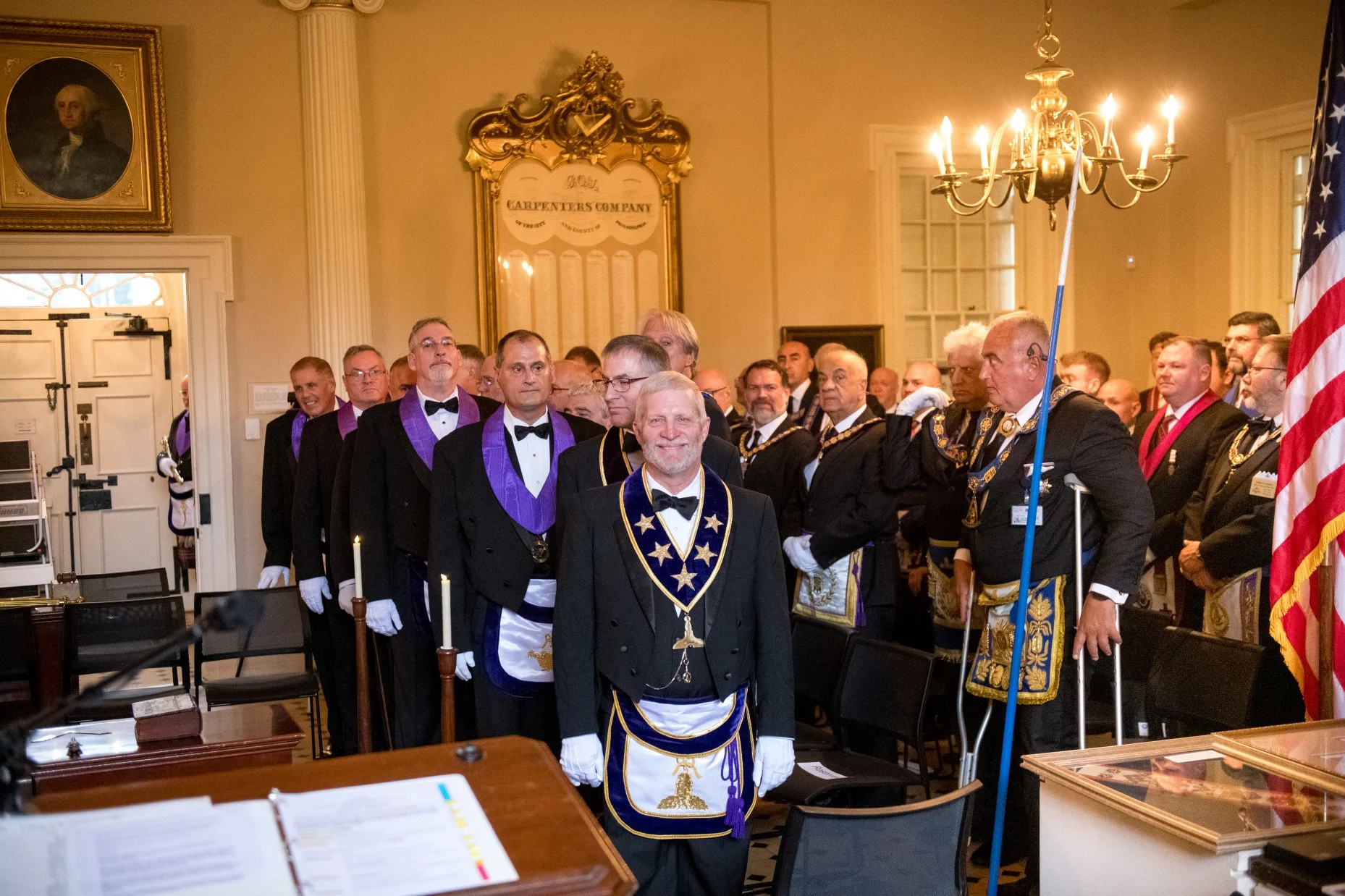
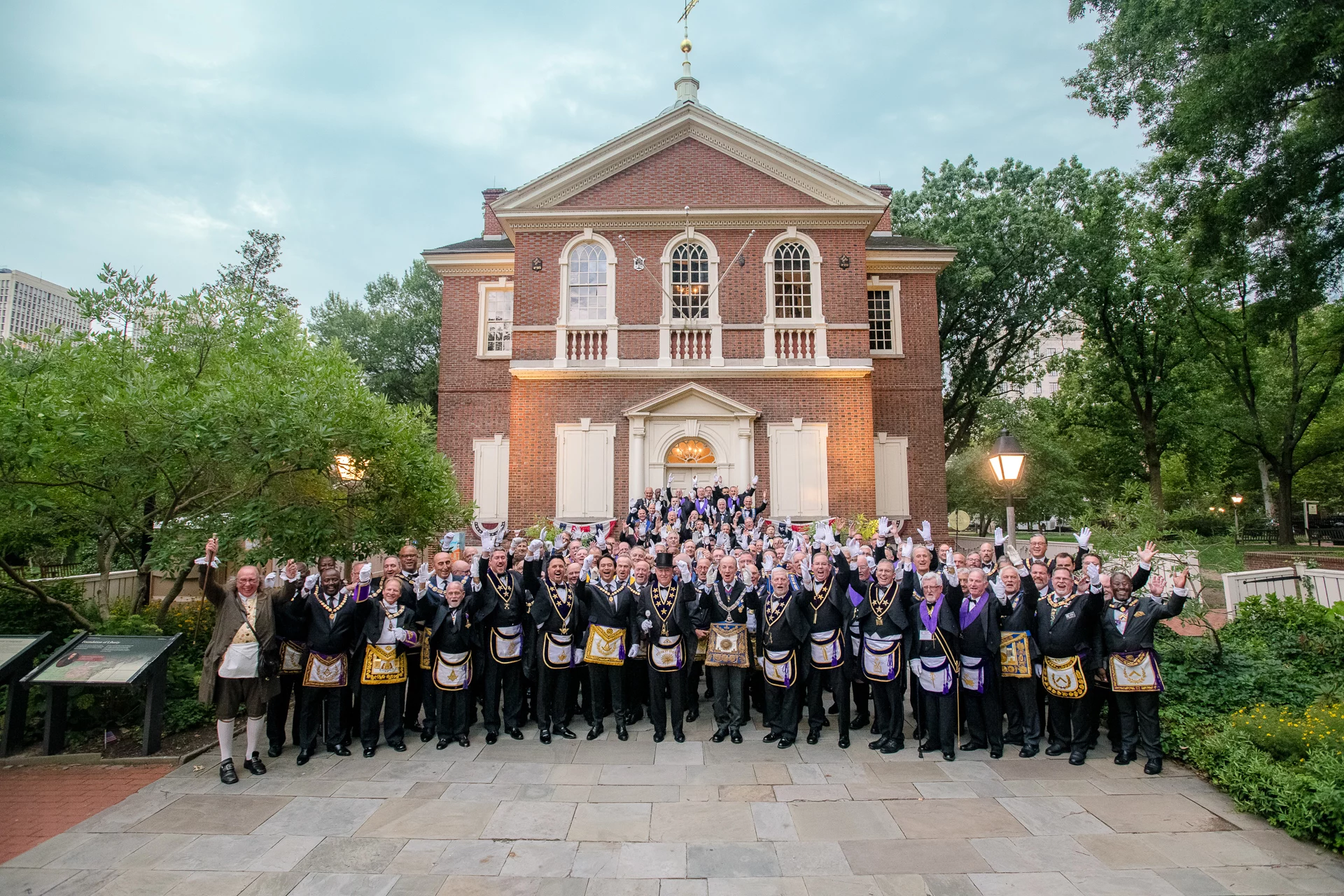
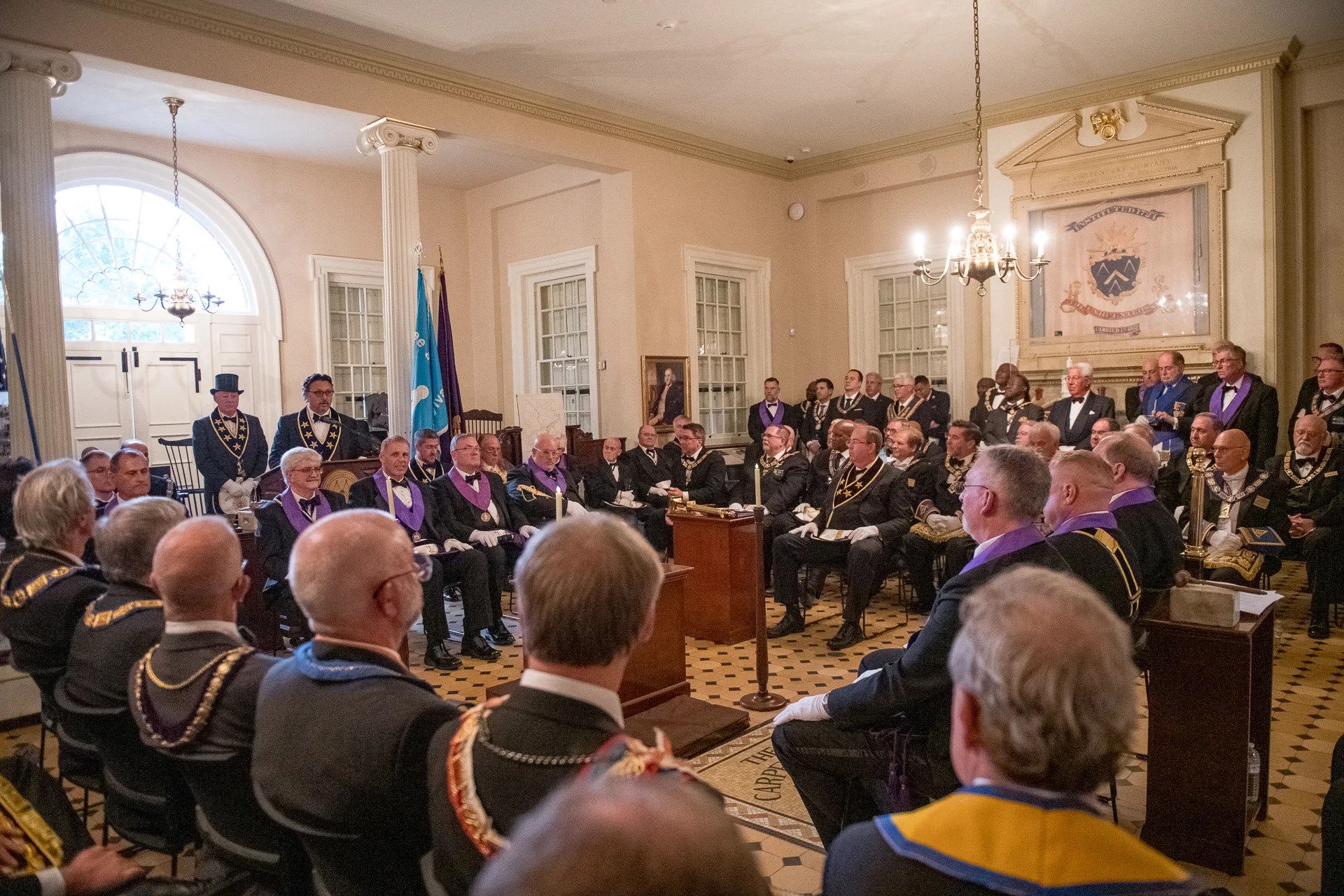
The symbolic centerpiece of the Philadelphia gathering came Tuesday evening at Carpenters’ Hall, where delegates to the First Continental Congress gathered in 1774 and took an early step toward unity among the American colonies.
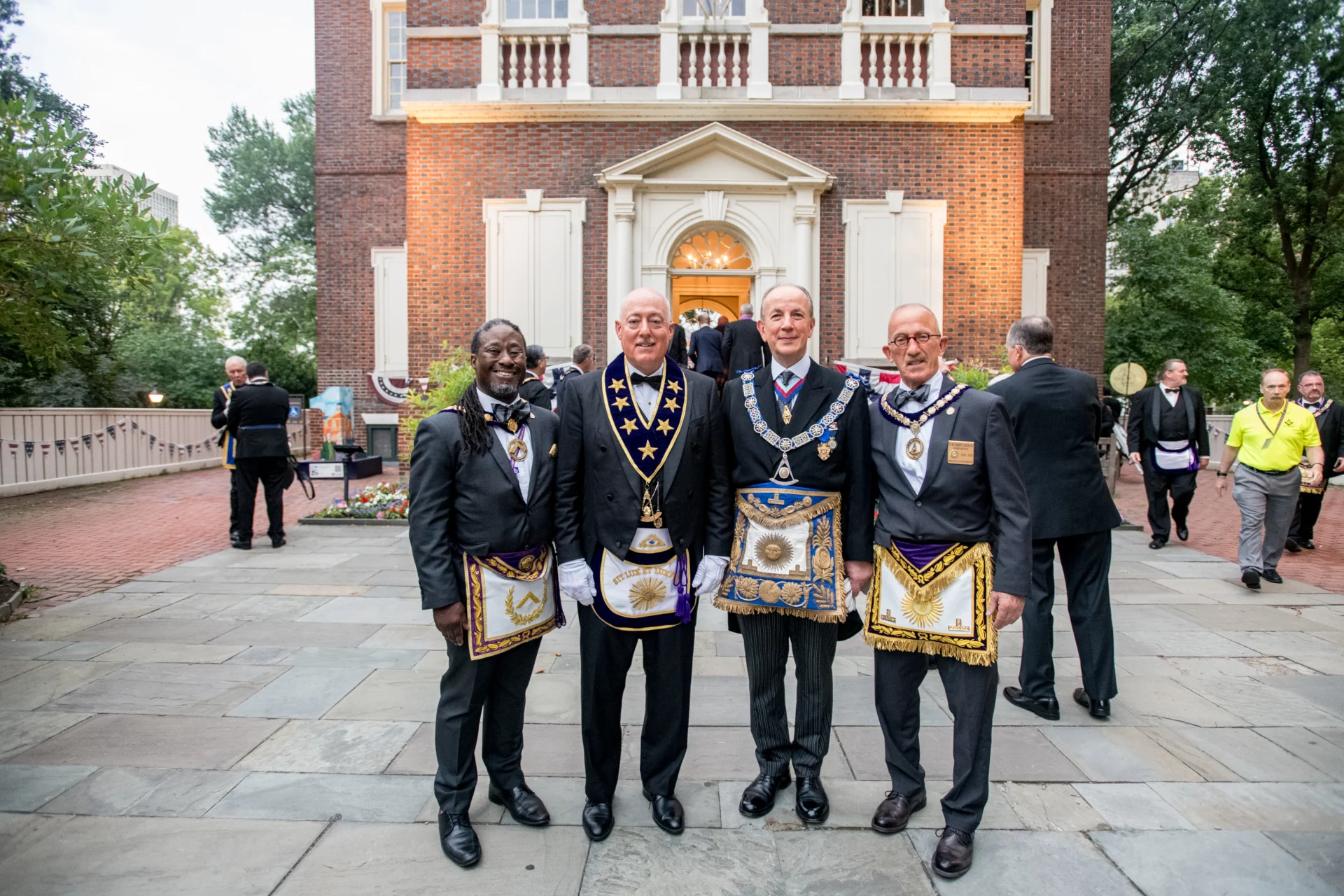
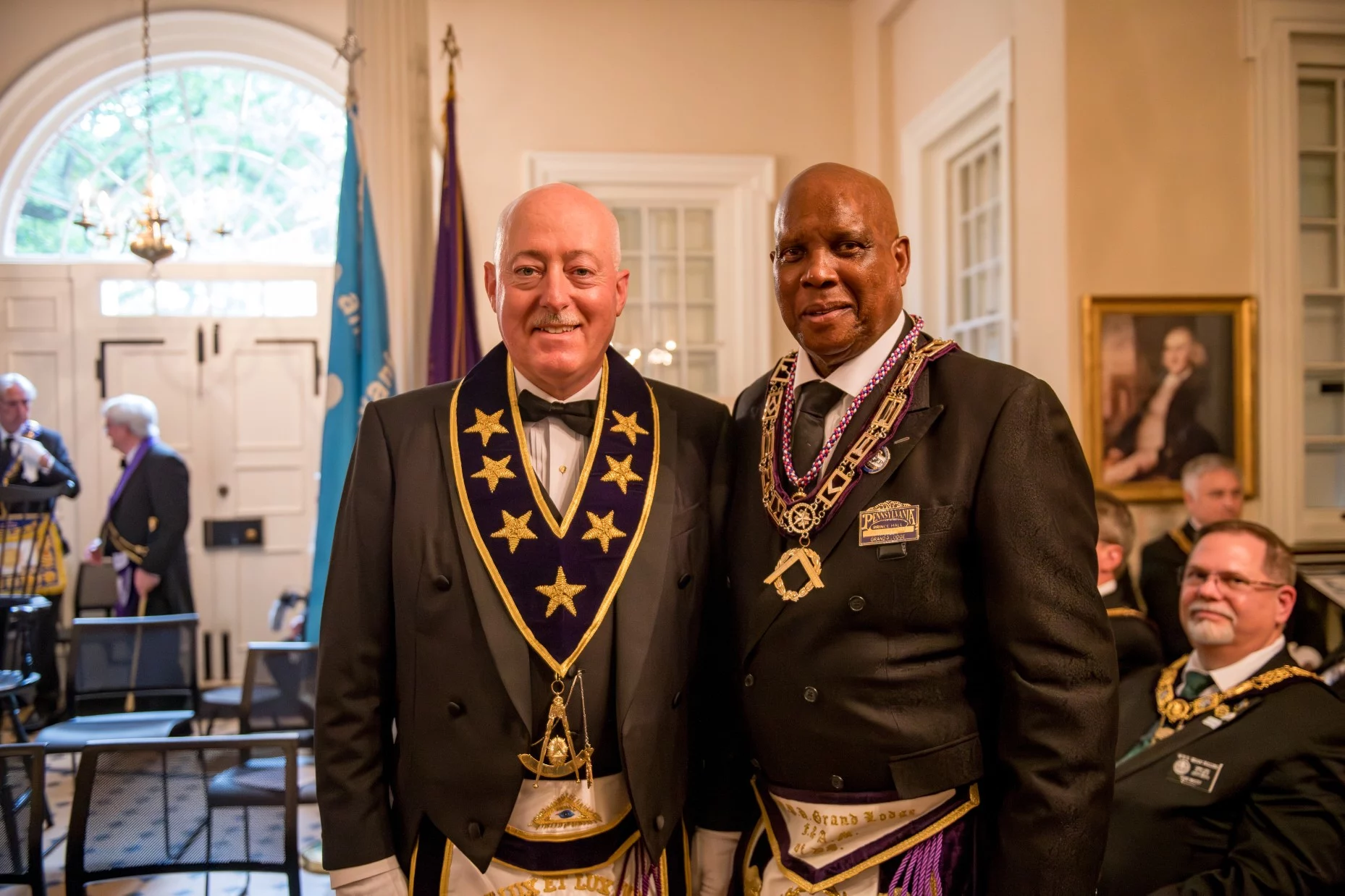
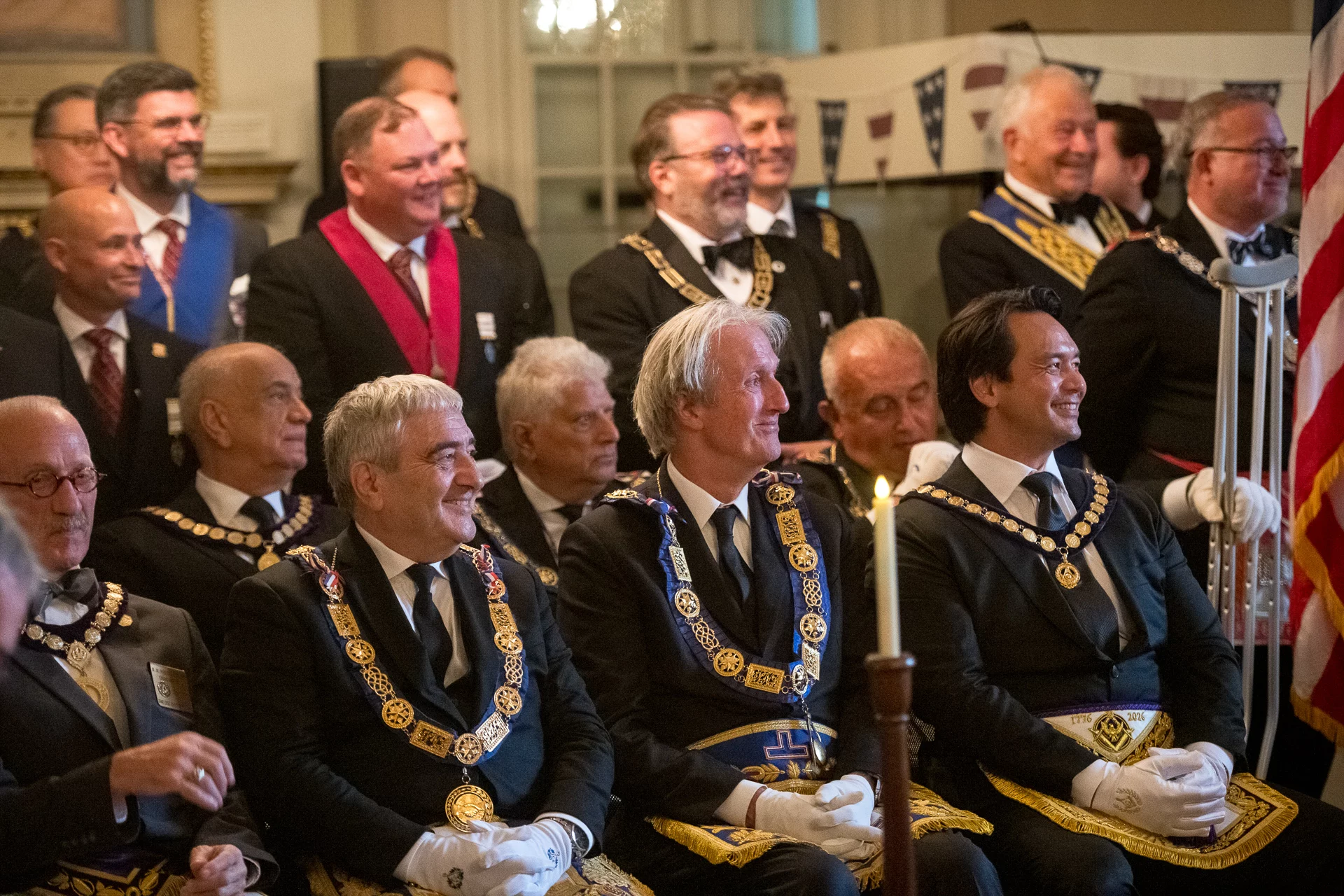
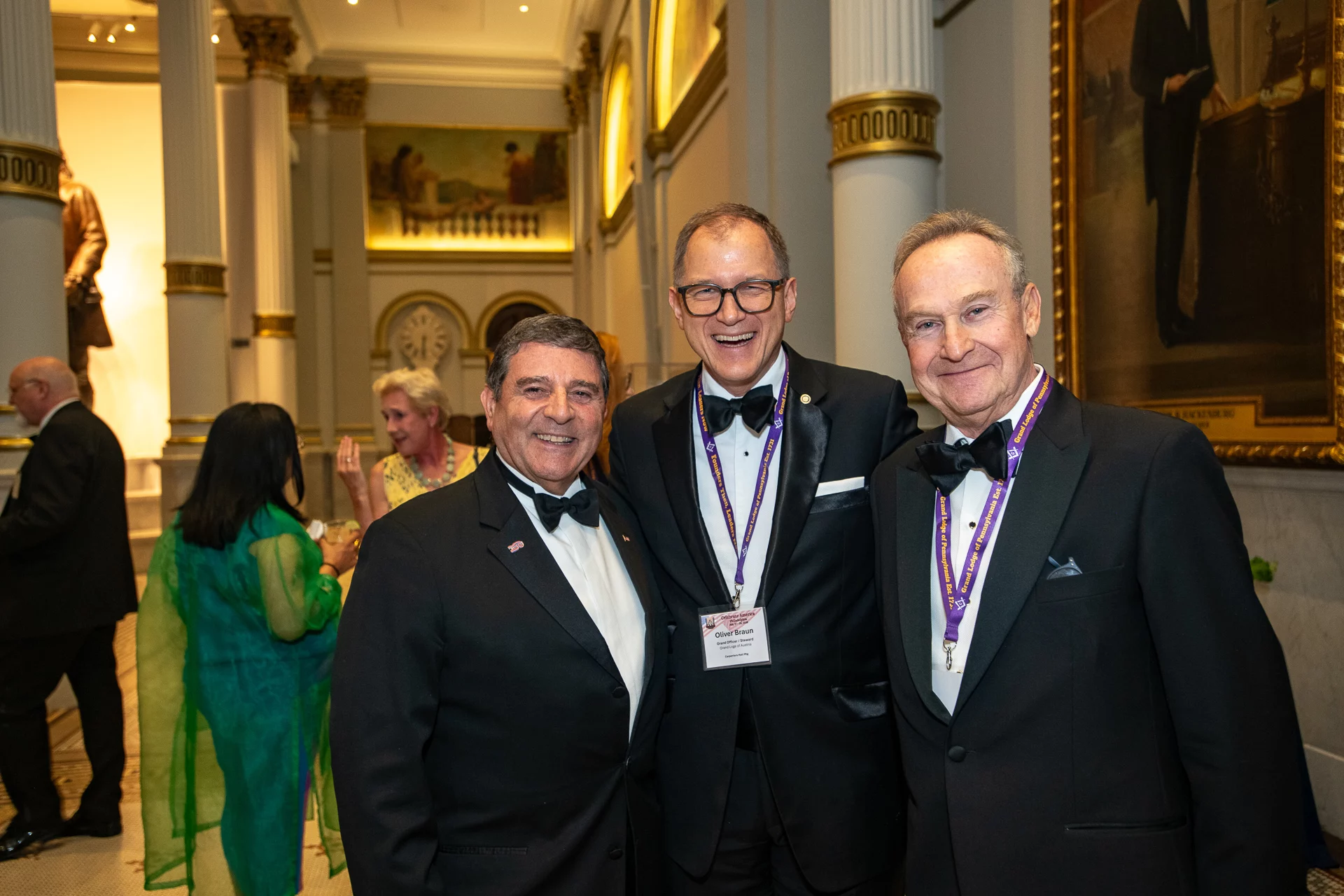
Within those same walls, the Grand Lodge of Pennsylvania opened a Special Communication commemorating America’s 250th Anniversary. Pennsylvania was joined by Jonathan Spence, Pro Grand Master of the United Grand Lodge of England (UGLE), and Yves Pennes, Grand Master of the French National Grand Lodge. Grand Masters from 38 states and 12 countries attended, as well as representatives from jurisdictions around the world.
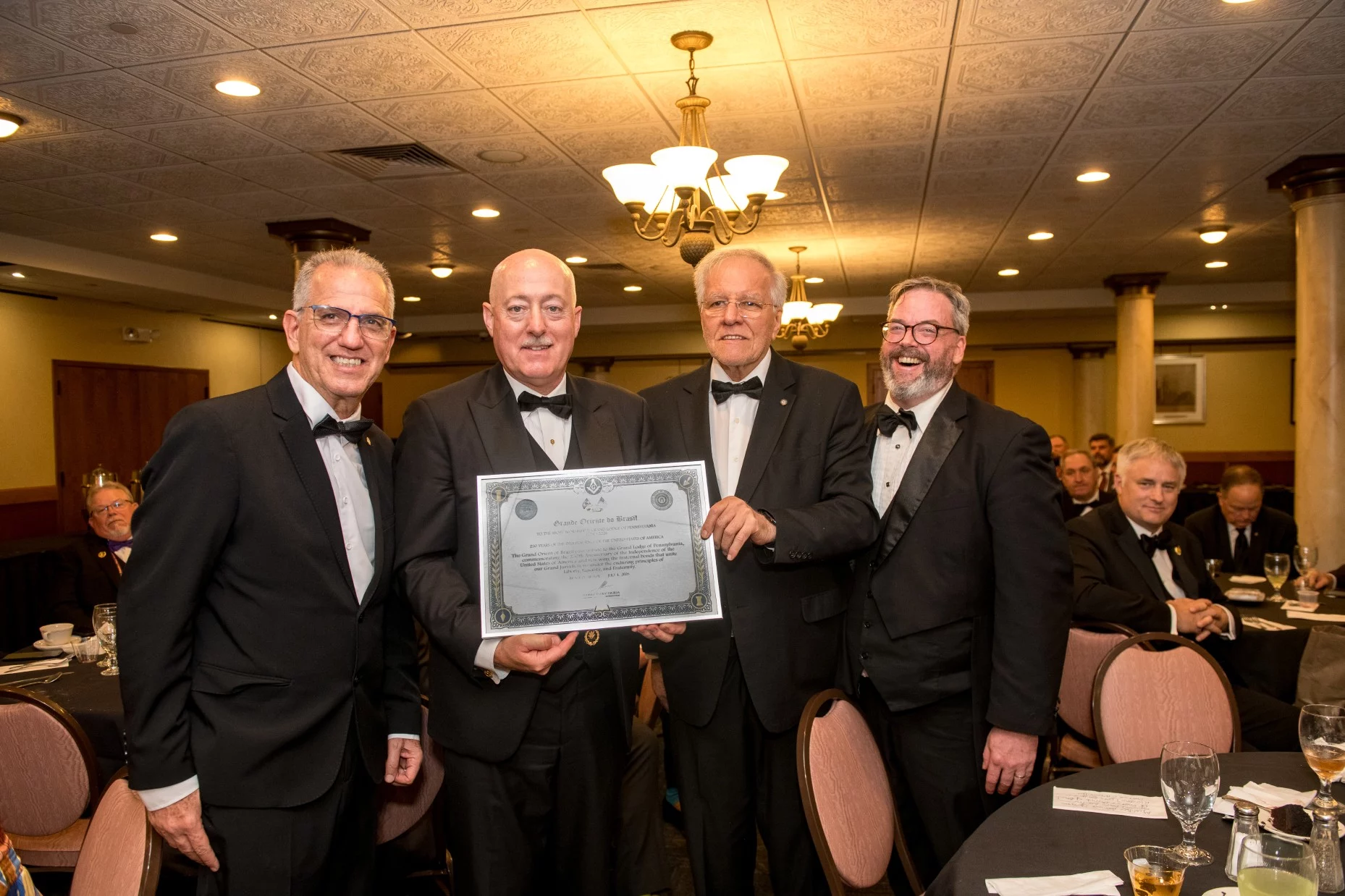
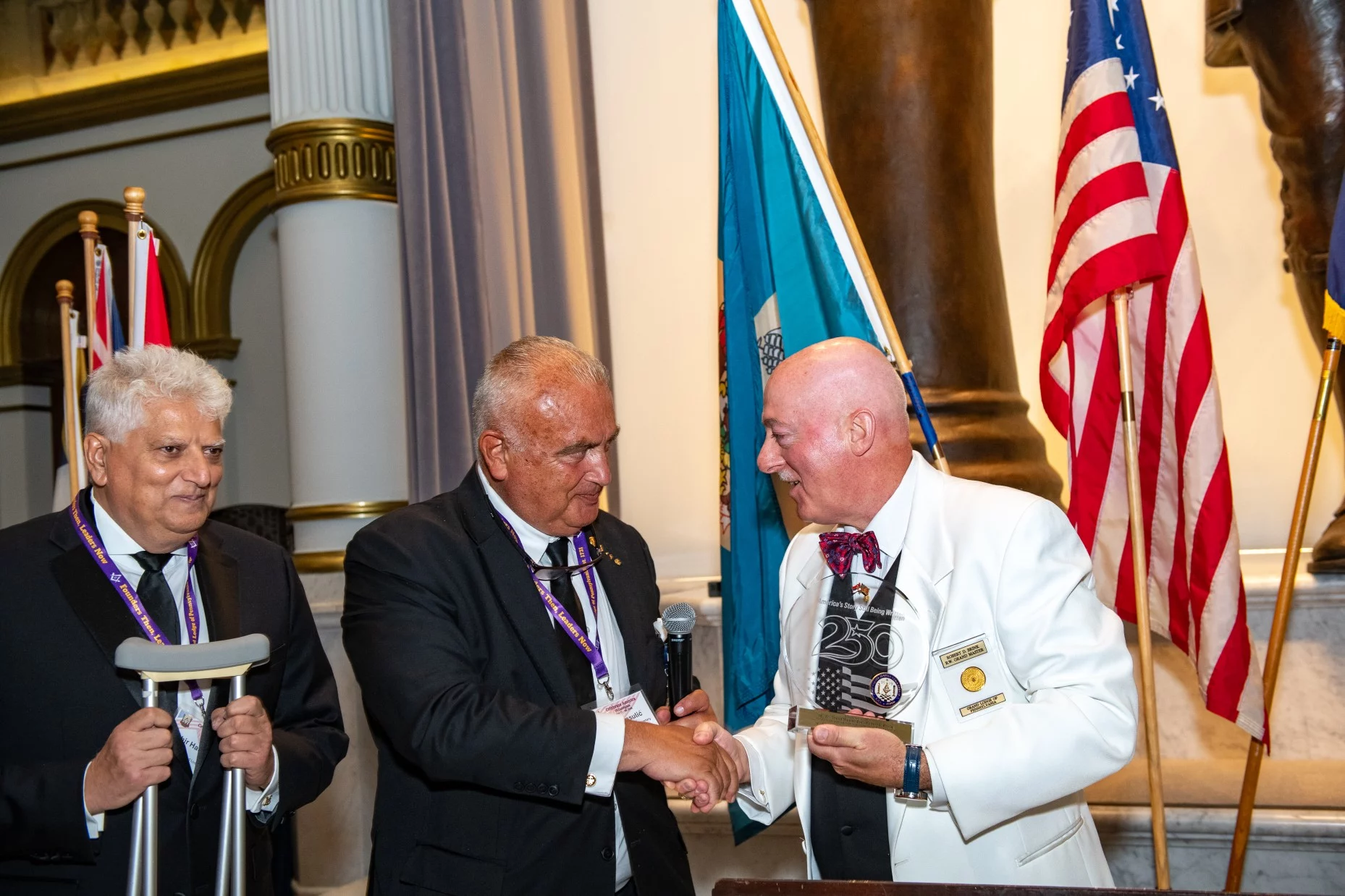
The presence of Pennsylvania, England and France held particular meaning given their intertwined histories in America’s founding. Gifts were exchanged, words of friendship offered, and Masonic leaders from around the world gathered in the room where colonial leaders once sought common purpose–a living expression of the Grand Master’s theme: Founders Then. Leaders Now.
One Meal, Many Jurisdictions
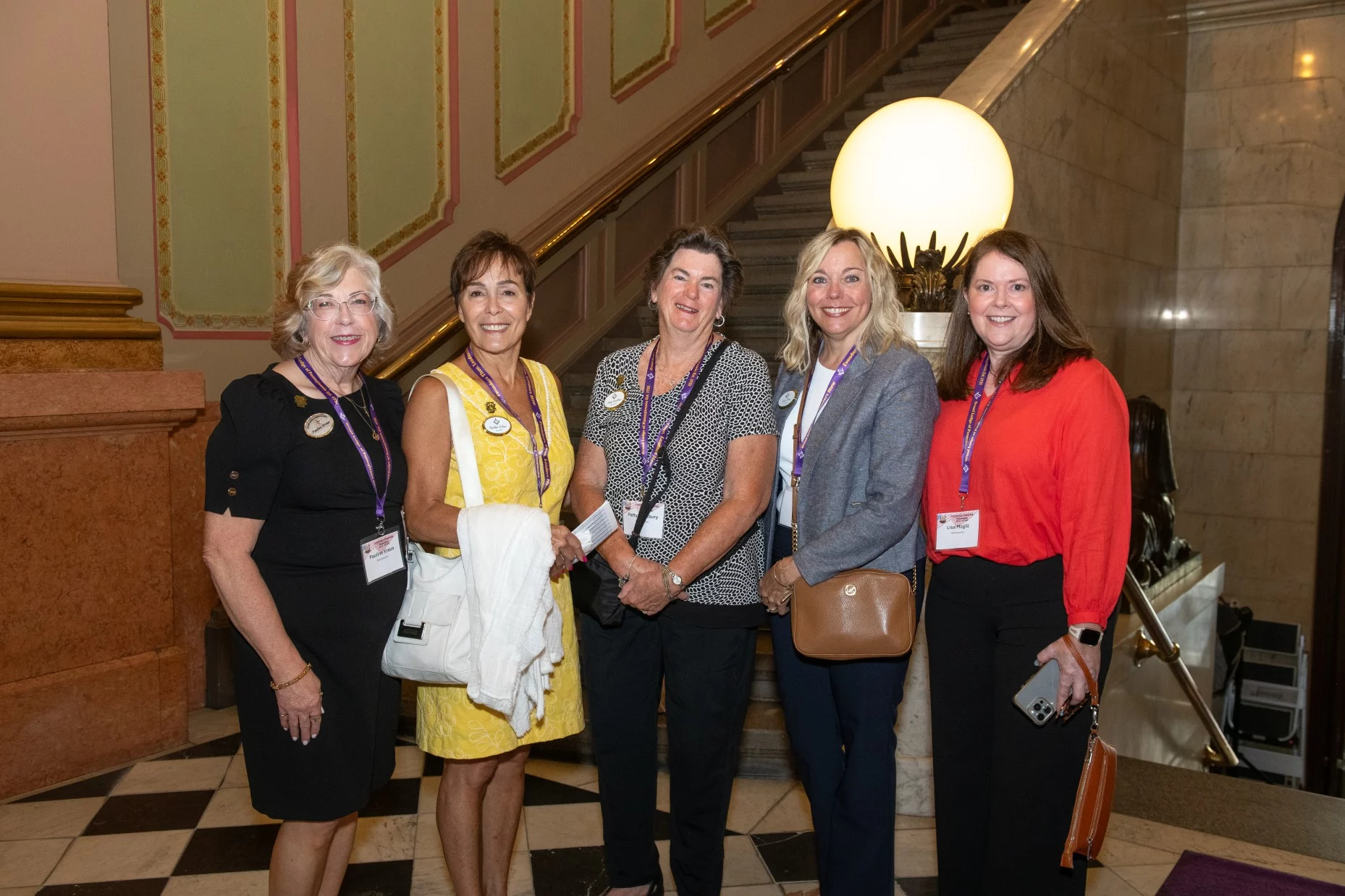
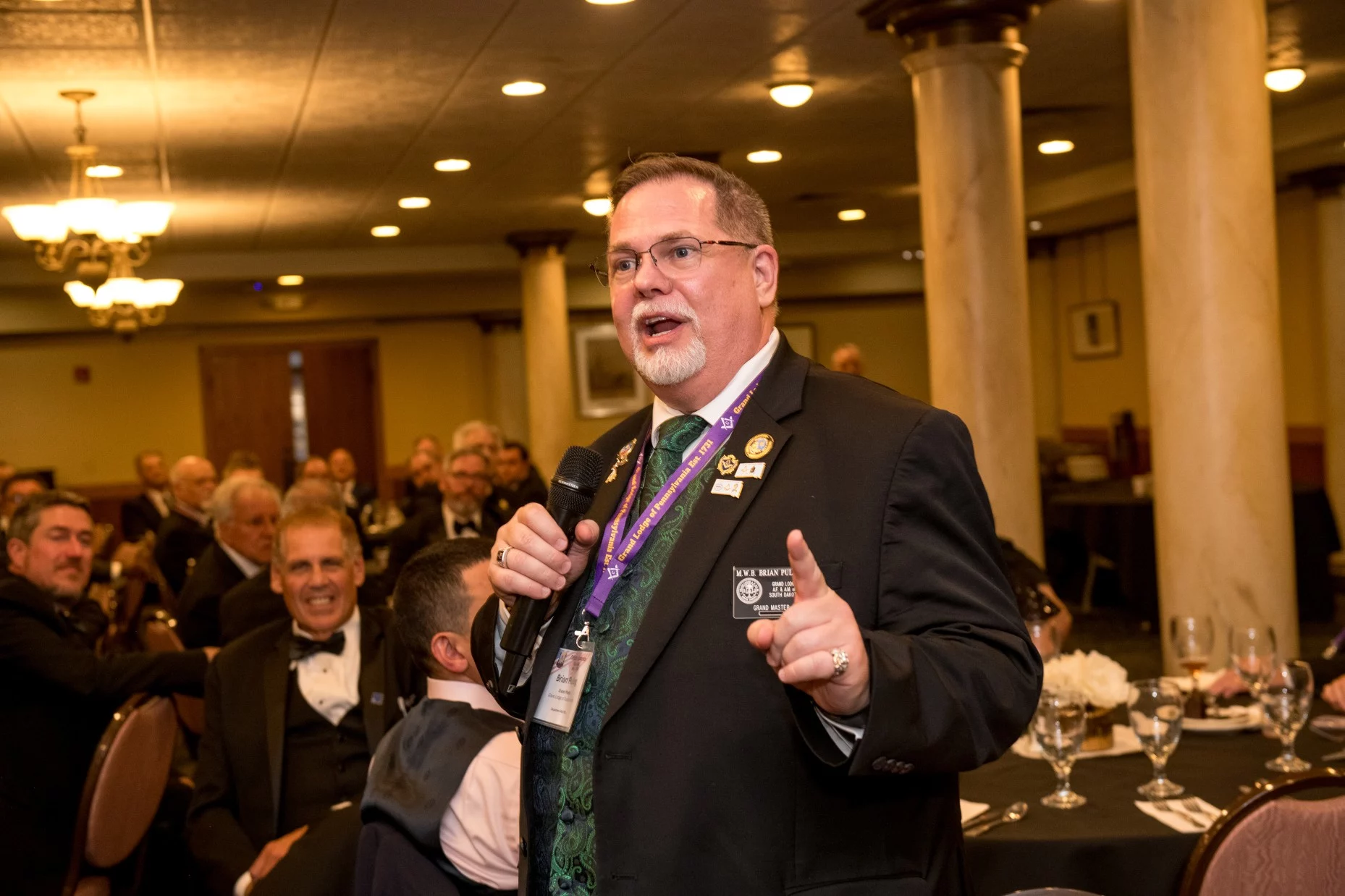
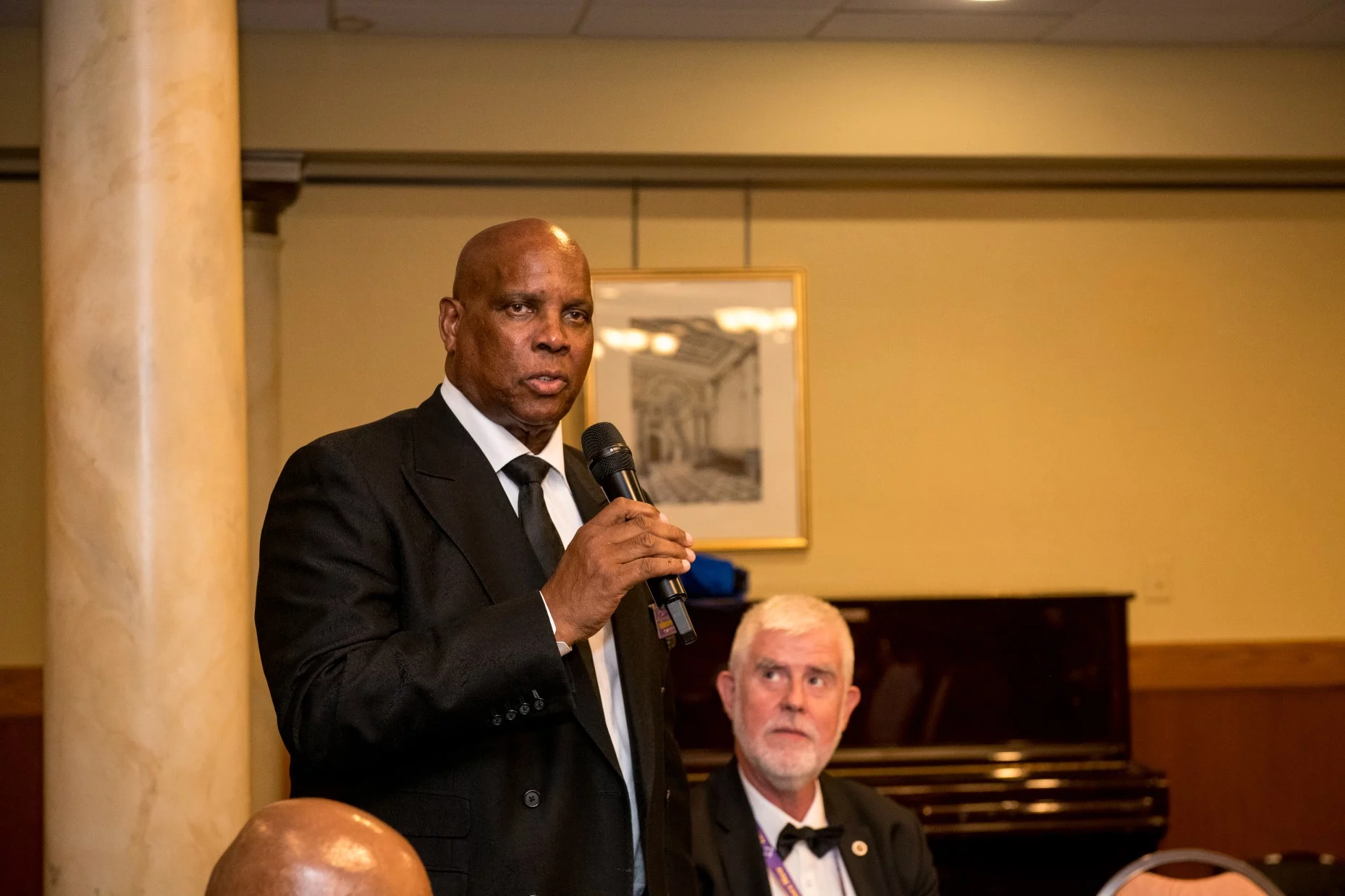
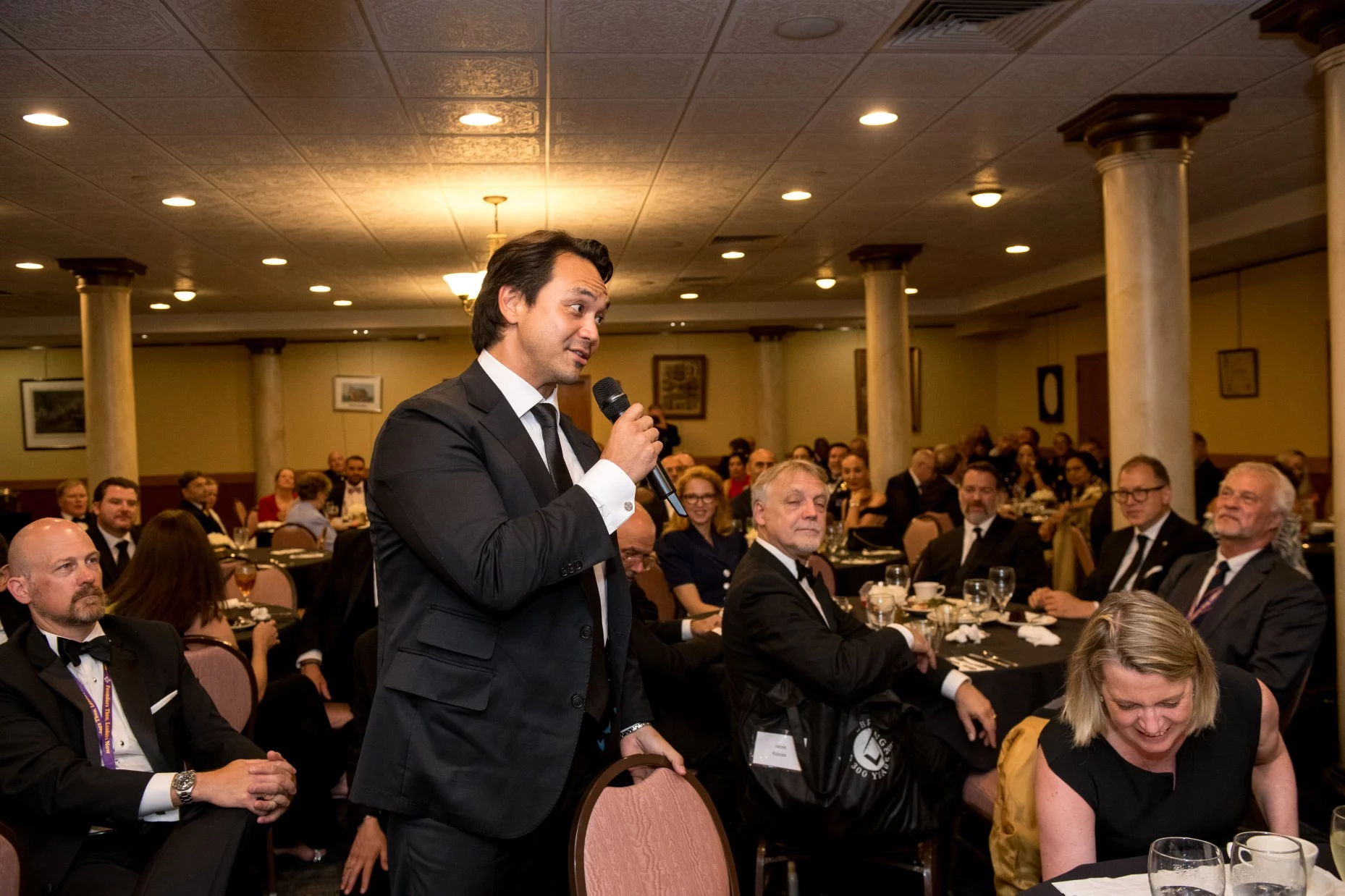
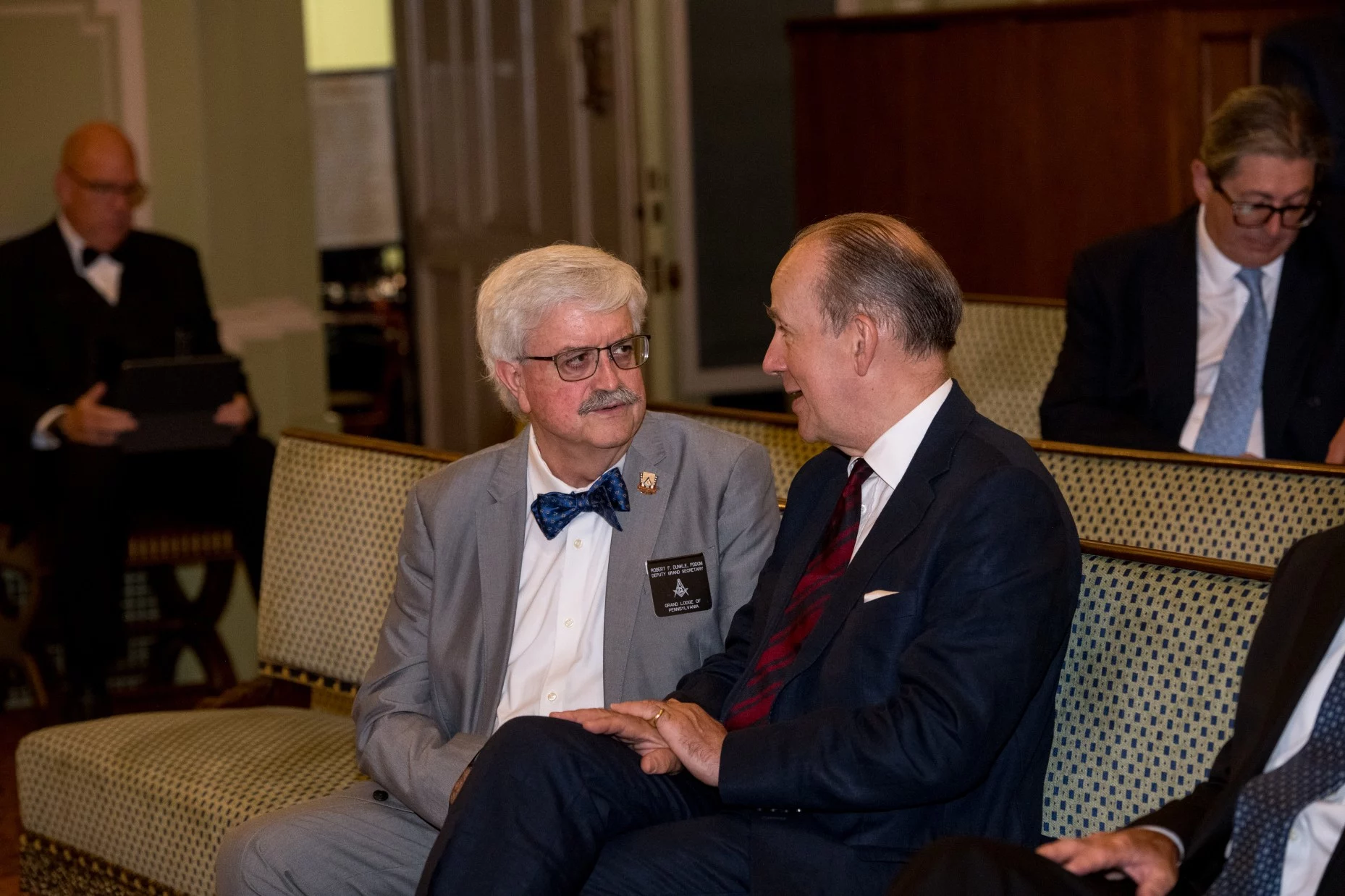
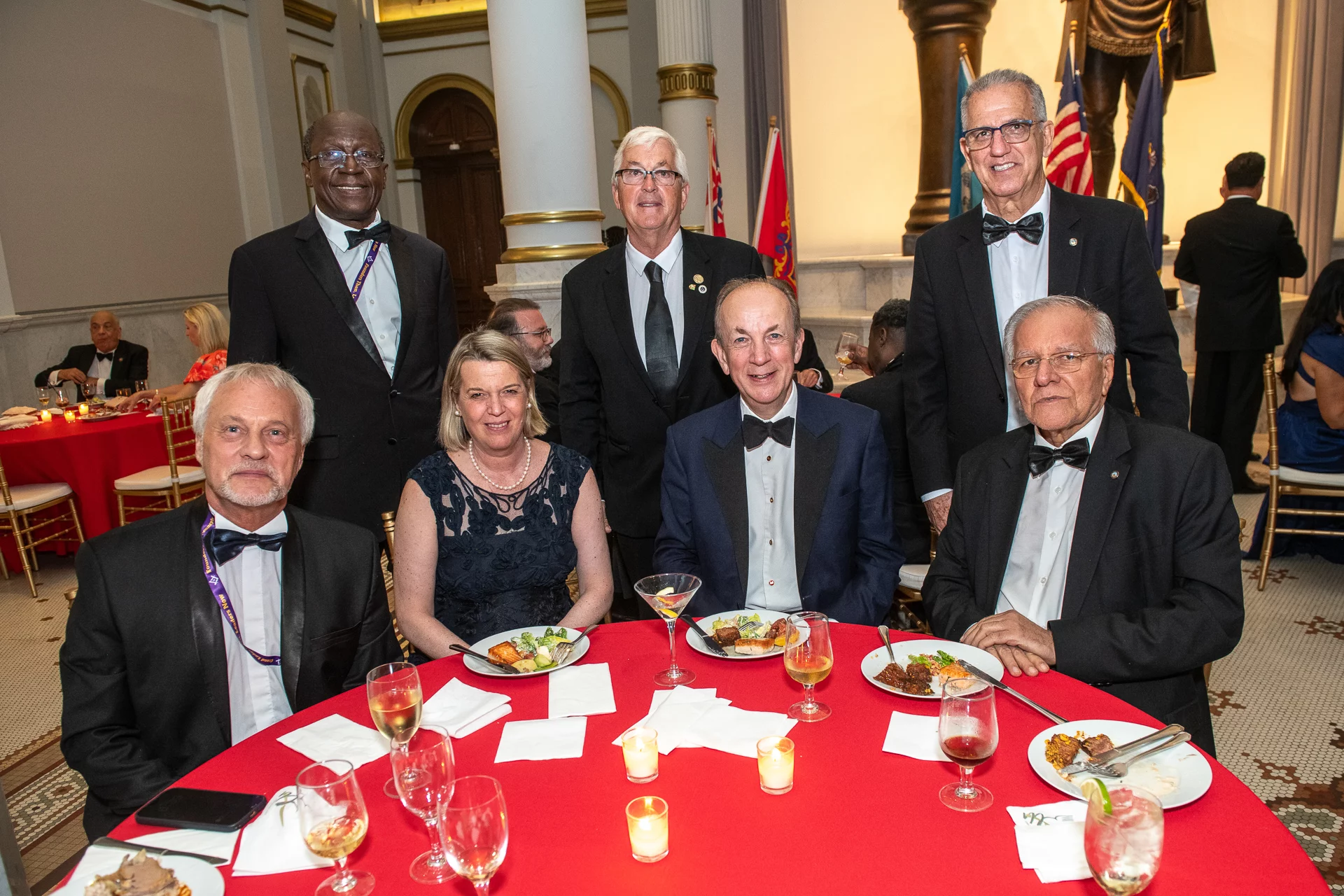
The Philadelphia celebration concluded at the Masonic Temple with a dinner for visiting dignitaries, their guests and Pennsylvania’s officers. Guests introduced themselves and shared personal reflections on the preceding days, bringing the gathering to a fitting conclusion: Brethren from around the world sitting together in fellowship.
A Moment in a Much Longer Story
In a message presented during the celebration, H.R.H. The Duke of Kent, Grand Master of the United Grand Lodge of England, reflected upon the principles shared by Freemasonry, the ideals expressed in the Declaration of Independence and the bonds those principles continue to create among Grand Lodges throughout the world.
Those bonds were evident throughout the gathering: in the exchange of ideas, the celebration of our shared history, the historic meeting at Carpenters’ Hall and the friendships formed across jurisdictions.
For two days, we remembered the founders who came before us and considered the work that remains for the leaders who follow.
All photos by Stuart E. Konefsky, P.M., Grand Lodge Photographer.